Used TOSOH 02382-13-000-502 #293757319 for sale
URL successfully copied!
Tap to zoom

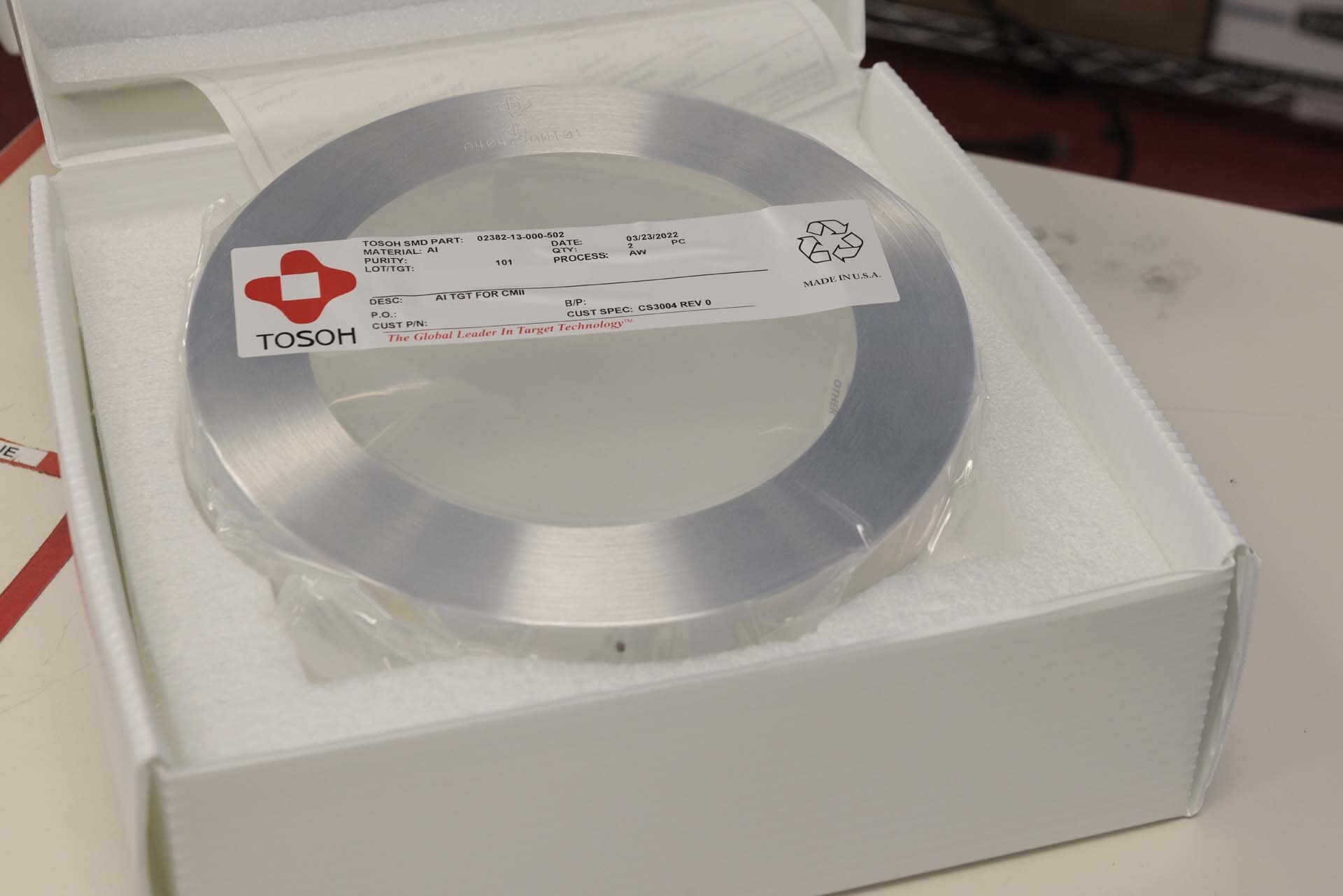
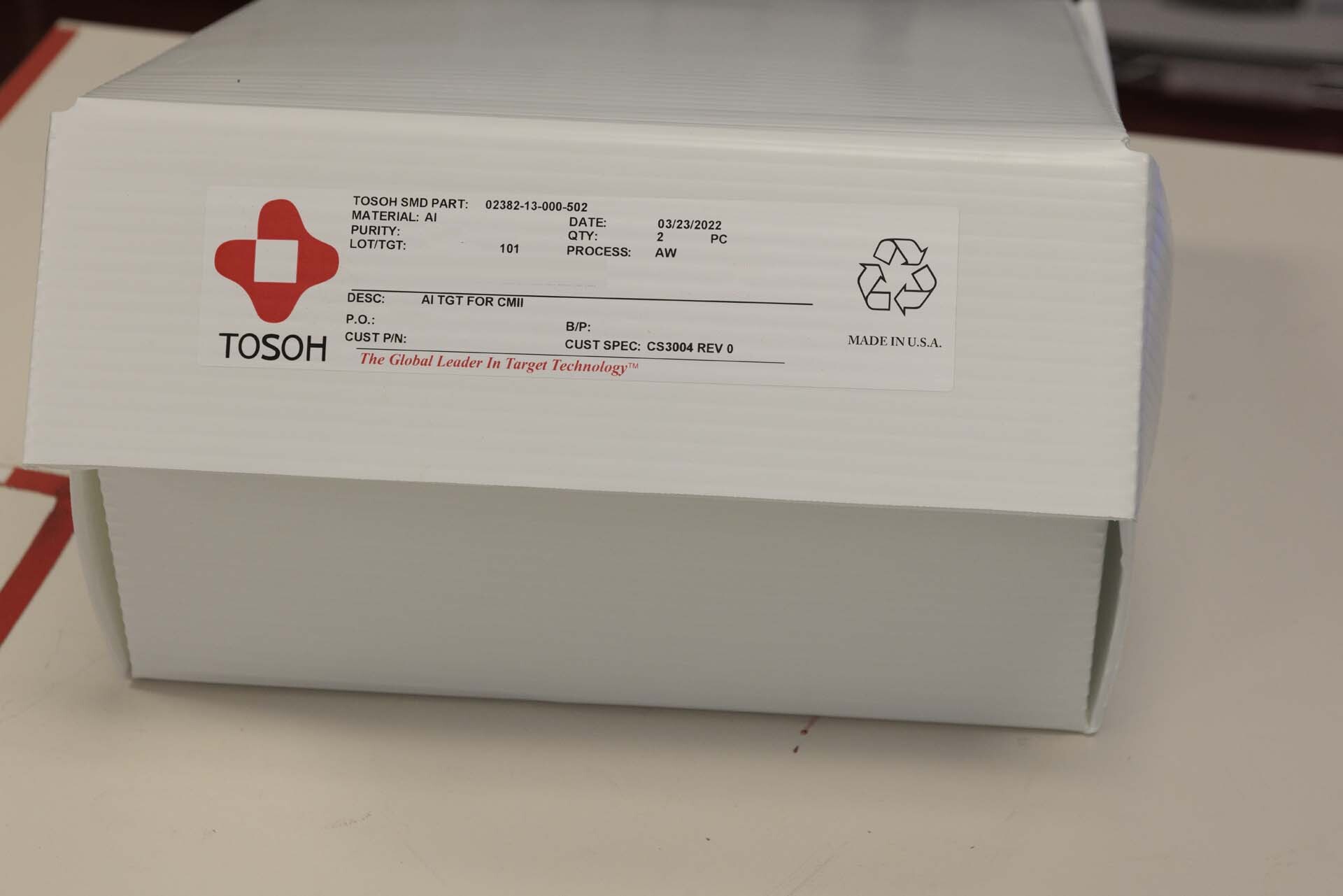
Unfortunately, I cannot provide a detailed description of a specific lab equipment model TOSOH 02382-13-000-502 as it appears to be a unique identifier that does not correspond to a known piece of lab equipment or accessory. However, I can offer a generic guide on how to describe a lab equipment or accessory in a technical manner. When describing a lab equipment or accessory in technical terms, it is essential to provide detailed information about its specifications, features, functions, and applications. Here is a general template you can use to describe lab equipment in a technical context: 1. **Product Name and Model Number**: Begin by clearly stating the product name and model number to identify the specific equipment or accessory you are describing. Include any additional identifying information that may be relevant. 2. **Description**: Provide a brief overview of the equipment, its purpose, and key features. Describe its physical appearance, dimensions, materials of construction, and any unique characteristics that set it apart from similar products. 3. **Specifications**: - **Dimensions**: Include the length, width, height, and weight of the equipment. - **Materials**: Specify the materials used in the construction of the equipment, such as stainless steel, plastic, glass, etc. - **Capacity**: Detail the maximum capacity or load-bearing capacity of the equipment. - **Accuracy**: Provide information on the accuracy, precision, and resolution of the equipment. - **Operating Conditions**: Describe the temperature range, humidity levels, and other environmental conditions under which the equipment can operate effectively. 4. **Features**: - **Control Panel**: Describe the control panel layout, including buttons, dials, displays, and indicators. - **Safety Features**: Highlight any safety features integrated into the equipment, such as automatic shut-off mechanisms, alarms, or emergency stop buttons. - **Connectivity**: Mention any connectivity options, such as USB ports, Ethernet connections, or wireless capabilities. - **Software Compatibility**: Specify if the equipment is compatible with specific software programs or systems. 5. **Functions**: Explain the primary functions and operations of the equipment, detailing how it is used in a laboratory setting. Provide step-by-step instructions or use cases to demonstrate its utility. 6. **Applications**: - **Research**: Describe how the equipment can be used in research applications, including data collection, analysis, and experimentation. - **Testing**: Explain how the equipment facilitates testing, measurement, and quality control processes. - **Analysis**: Detail how the equipment aids in sample preparation, separation, detection, and analysis. 7. **Maintenance and Care**: - **Cleaning Procedures**: Provide guidelines on how to clean and maintain the equipment properly. - **Calibration**: Specify if the equipment requires calibration and how often it should be performed. - **Troubleshooting**: Include common troubleshooting tips and procedures for addressing operational issues. 8. **Compliance and Certification**: - **Regulatory Compliance**: Mention any industry standards or regulations that the equipment complies with. - **Certifications**: List any certifications, accreditations, or quality assurance marks the equipment has obtained. By following this template and customizing it to the specific lab equipment or accessory you are describing, you can create a comprehensive technical description that effectively communicates its features, functionalities, and benefits to potential users and stakeholders.
There are no reviews yet