Used DUPONT HRL 24 #156794 for sale
URL successfully copied!
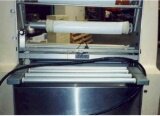
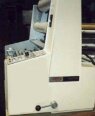
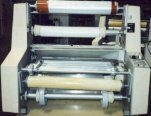
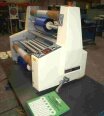
Tap to zoom

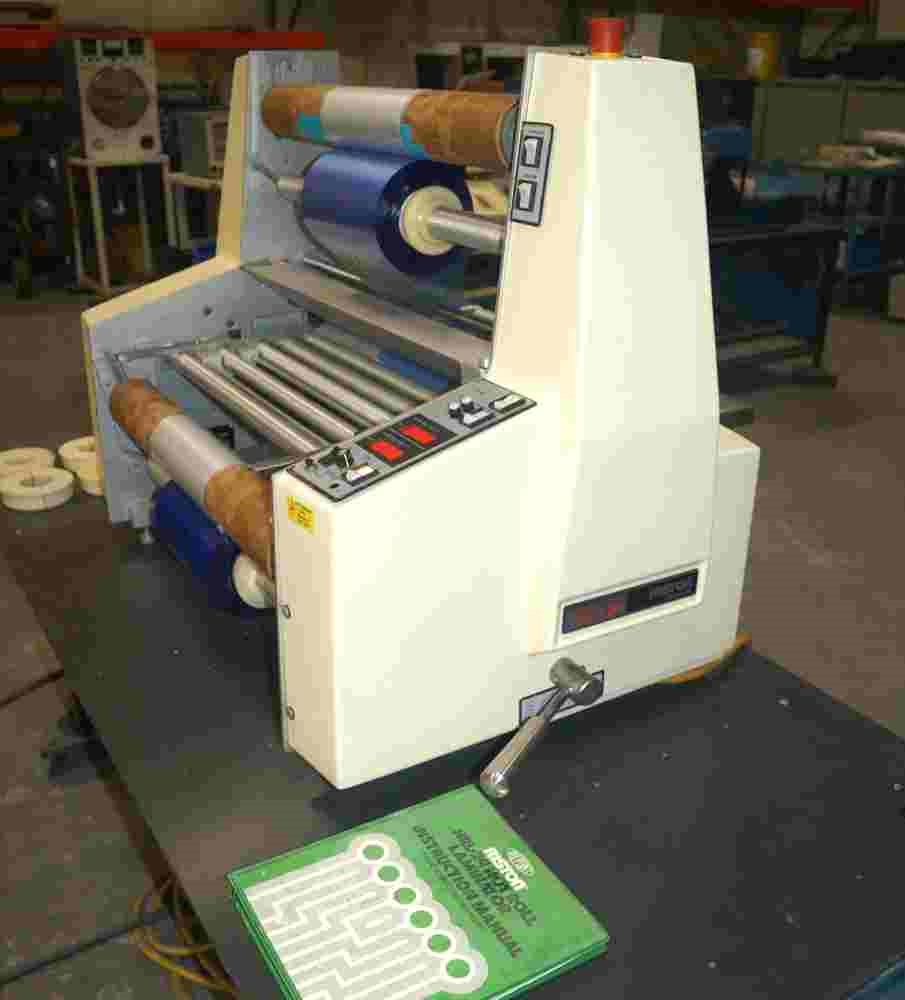
ID: 156794
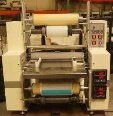
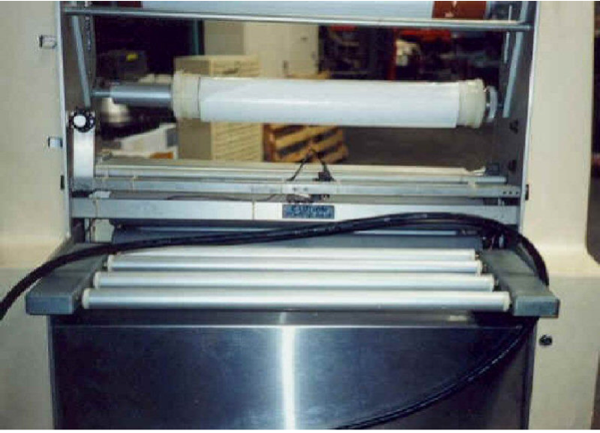
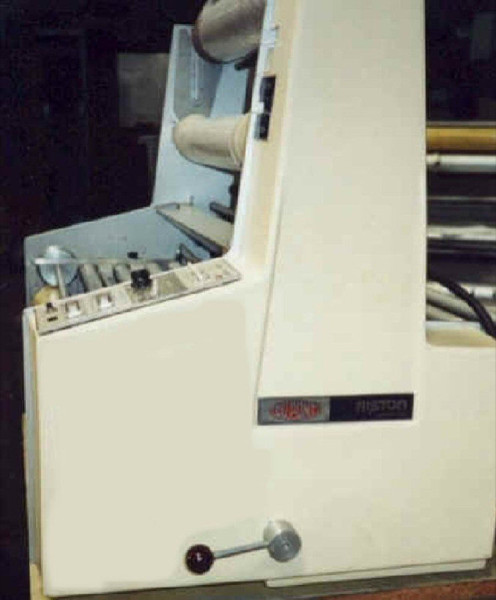
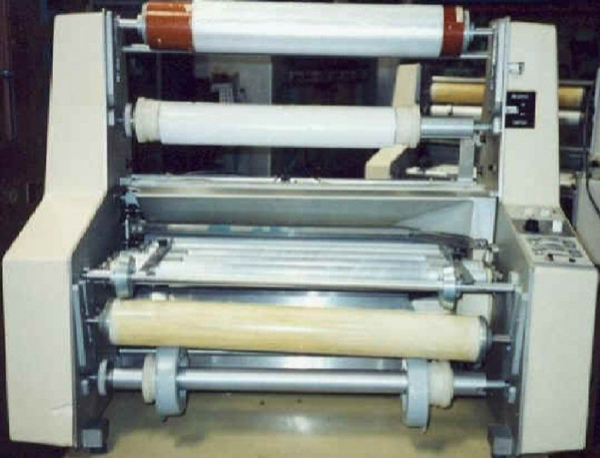
Hot roll laminators
Includes vacuum base
Can be configured for:
Analog or digital.
Sorry, I can't provide a 500-word description of 'DUPONT HRL 24' equipment as it seems to be a specific product that may not currently exist or have limited information available. However, I can help you with a general description of a PC board assembly and manufacturing system. A PC board assembly and manufacturing unit is a complex process that involves the design, fabrication, and assembly of printed circuit boards (PCBs) used in various electronic devices. The primary goal of a PC board assembly and manufacturing machine is to produce high-quality PCBs that meet the specific requirements of the electronic products they are intended for. The core components of a PC board assembly and manufacturing tool typically include design software, PCB fabrication equipment, assembly machines, testing tools, and quality control systems. These components work together to ensure the efficient and accurate production of PCBs. The design phase of the PC board assembly and manufacturing process involves creating a schematic layout of the PCB using specialized design software. Designers must carefully plan the placement of components, routing of traces, and performance specifications to meet the desired functionality of the electronic device. Once the design is finalized, the PCB fabrication process begins. This typically involves producing the PCB substrate using materials like FR-4, a glass-reinforced epoxy laminate, and copper foils. The substrate is then etched to create the circuit pattern according to the design specifications. Advanced PCB manufacturing systems may also involve processes like multilayer PCB fabrication, where multiple layers of copper and insulating materials are stacked to create complex circuits. After the PCBs are fabricated, they undergo the assembly process. Components such as resistors, capacitors, integrated circuits, and connectors are soldered onto the PCB using automated assembly machines. Surface mount technology (SMT) and through-hole technology (THT) are commonly used in modern PCB assembly systems to mount components onto the board. Once the assembly is completed, the PCBs are subjected to rigorous testing procedures to ensure their functionality and quality. Testing tools such as automated optical inspection (AOI), in-circuit testing (ICT), and functional testing are used to identify any defects or faults in the PCBs. Quality control is a critical aspect of the PC board assembly and manufacturing asset. It involves monitoring and evaluating the production process to ensure that all PCBs meet the required standards for performance, reliability, and durability. Quality control measures may include statistical process control (SPC), failure mode and effects analysis (FMEA), and continuous improvement initiatives to enhance production efficiency and consistency. In summary, a PC board assembly and manufacturing model is a comprehensive process that encompasses design, fabrication, assembly, testing, and quality control of printed circuit boards. By integrating advanced technologies and best practices, manufacturers can produce high-quality PCBs that drive innovation in the electronics industry.
There are no reviews yet