Used ATON PARR SAXSess #293794969 for sale
URL successfully copied!
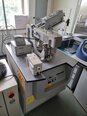
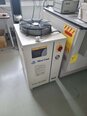
Tap to zoom
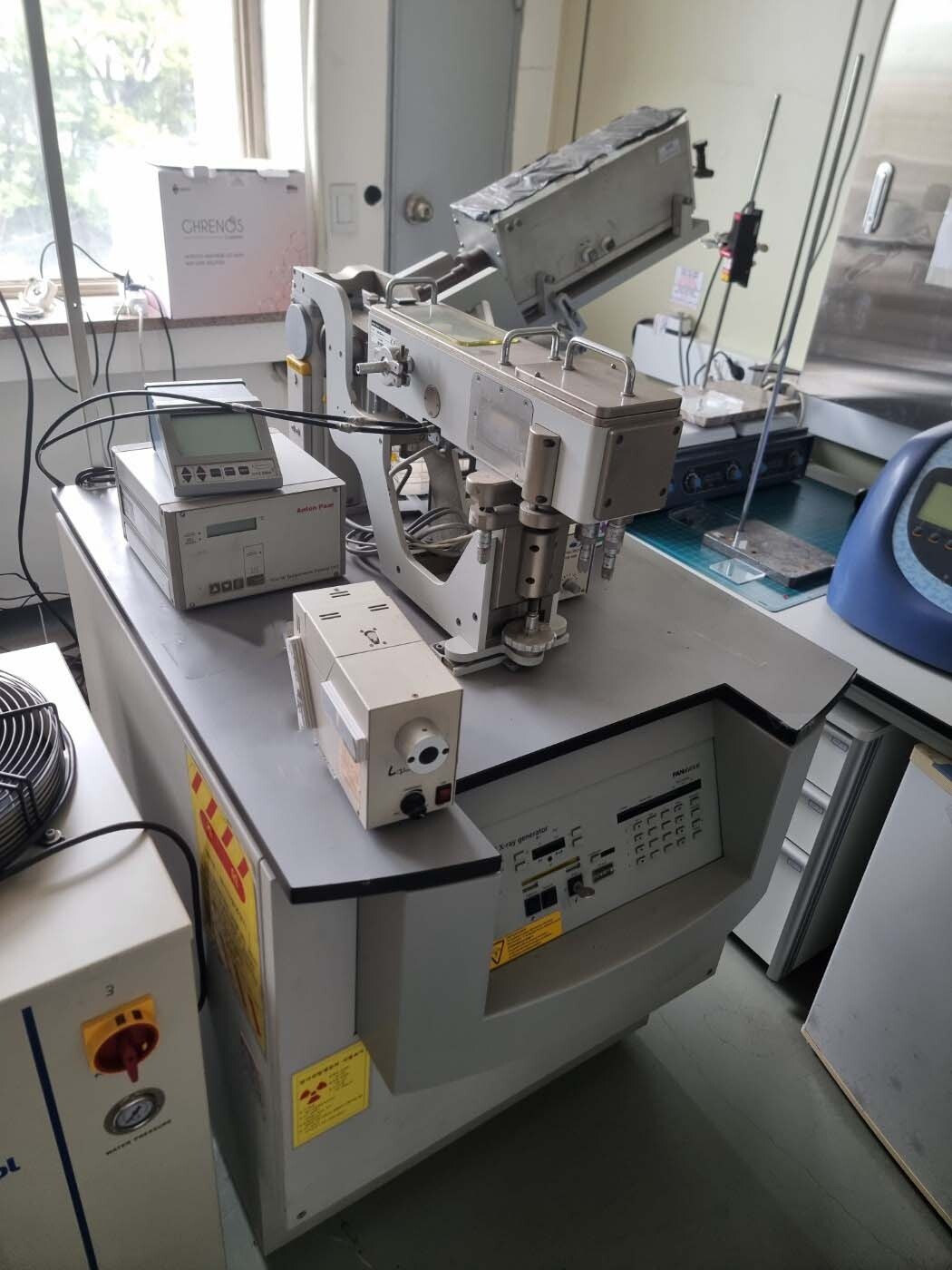

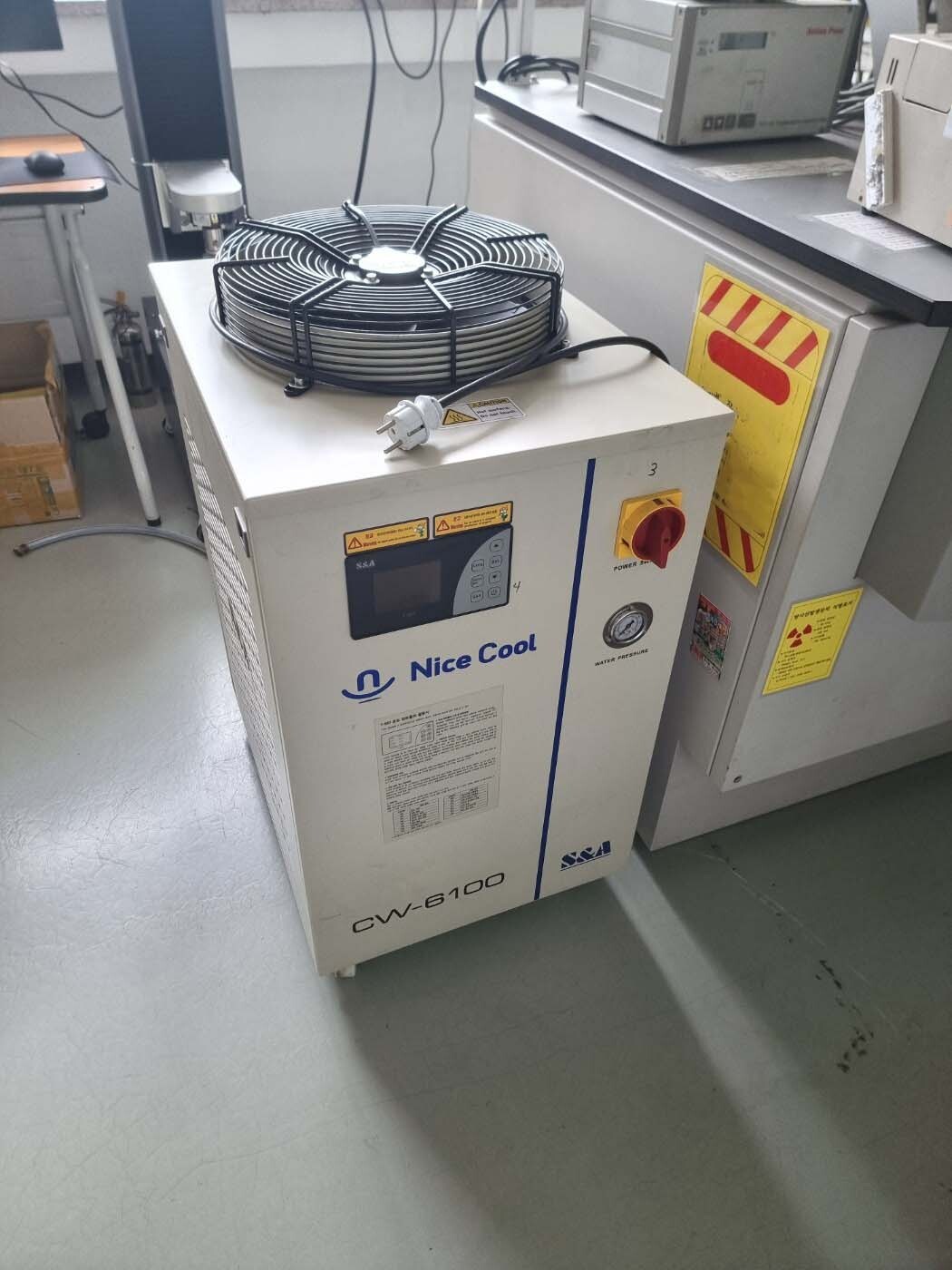
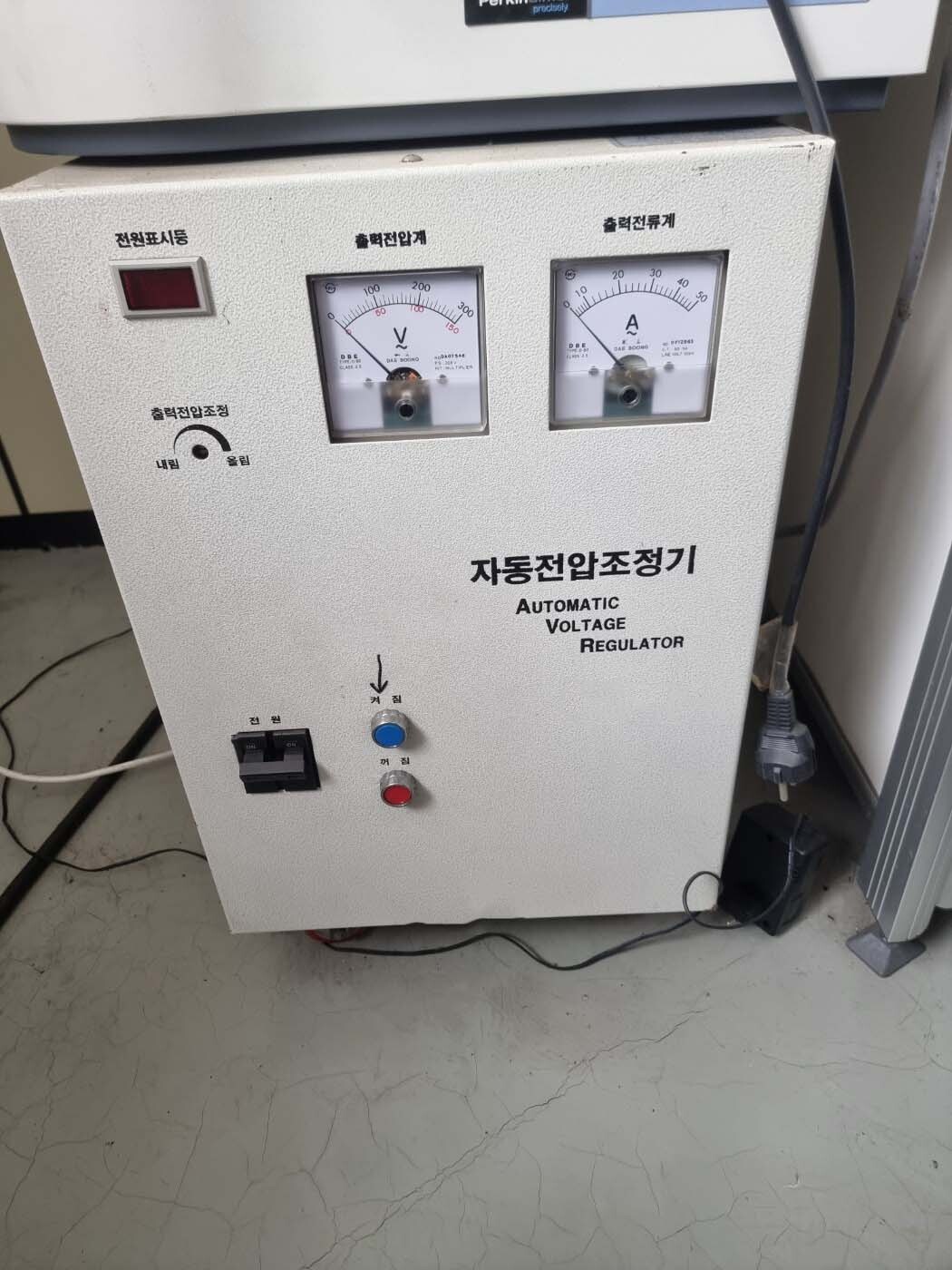
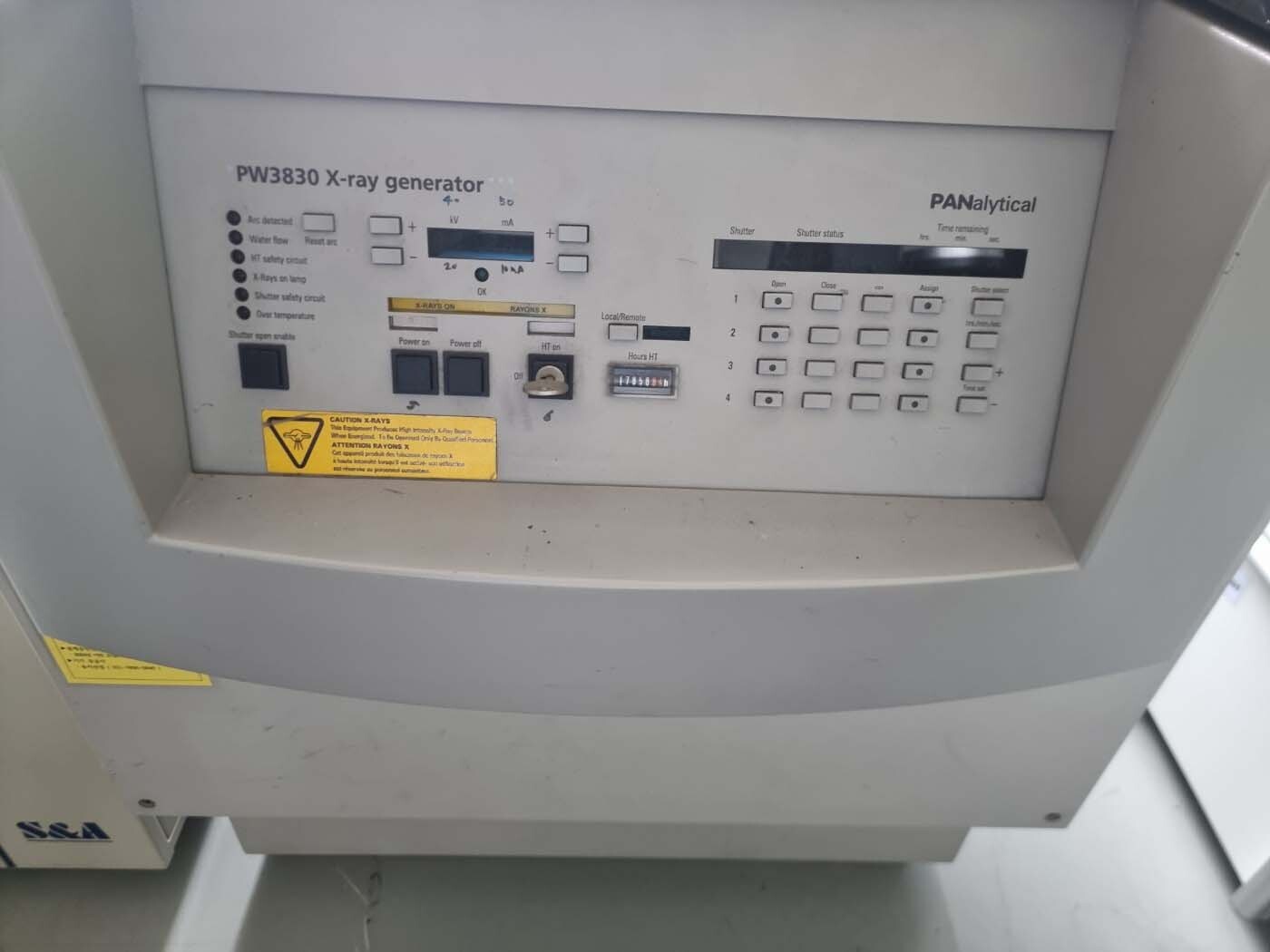
I'm sorry, but "ATON PARR SAXSess" does not appear to be a recognizable term or technology in the field of X-ray systems or scientific instrumentation. It's possible that there may be a typo or misunderstanding in the name you provided. However, I can provide a general overview of Small-Angle X-ray Scattering (SAXS) systems, which are commonly used in materials science, chemistry, biology, and other fields for analyzing the structure of materials at the nanoscale. Small-Angle X-ray Scattering (SAXS) is a powerful analytical technique that provides information about the size, shape, and internal structure of materials on the nanometer scale. SAXS is based on the scattering of X-rays by the electron cloud of atoms in a material, and it is particularly useful for characterizing materials with complex structures, such as polymers, proteins, nanoparticles, and nanocomposites. In a typical SAXS experiment, a monochromatic X-ray beam is directed at the sample, and the scattered X-rays are collected at small angles (usually between 0.1 and 10 degrees) relative to the incident beam. The intensity and angular distribution of the scattered X-rays provide information about the size and shape of the scattering objects within the sample. SAXSess systems, which are specialized instruments used for performing SAXS experiments, consist of several key components: 1. X-ray source: A high-intensity X-ray source, such as a sealed tube or synchrotron radiation, is used to generate the X-ray beam for the experiment. The wavelength and energy of the X-rays can be tailored to the specific requirements of the sample being studied. 2. Sample stage: The sample stage holds the sample in position and allows for precise positioning and alignment relative to the X-ray beam. The sample can be in the form of a thin film, liquid, powder, or solid material, depending on the nature of the sample. 3. Detectors: Detectors are used to capture the scattered X-rays and measure their intensity and angle of scattering. Different types of detectors, such as linear position-sensitive detectors or 2D detectors, can be used to optimize data collection for different types of samples. 4. Data analysis software: Specialized software is used to process and analyze the data collected during the SAXS experiment. The software can perform tasks such as data reduction, background subtraction, and modeling of the scattering patterns to extract structural information about the sample. Overall, ATON PARR SAXSess systems are valuable tools for researchers and scientists working in a wide range of fields to study the structural properties of materials at the nanoscale. By providing detailed information about the size, shape, and arrangement of nanoscale structures, SAXSess systems play a crucial role in the development of new materials, understanding biological processes, and advancing scientific knowledge.
There are no reviews yet