Used FSI EXCALIBUR #293759461 for sale
URL successfully copied!
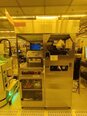
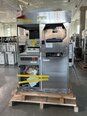
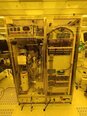
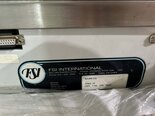
Tap to zoom
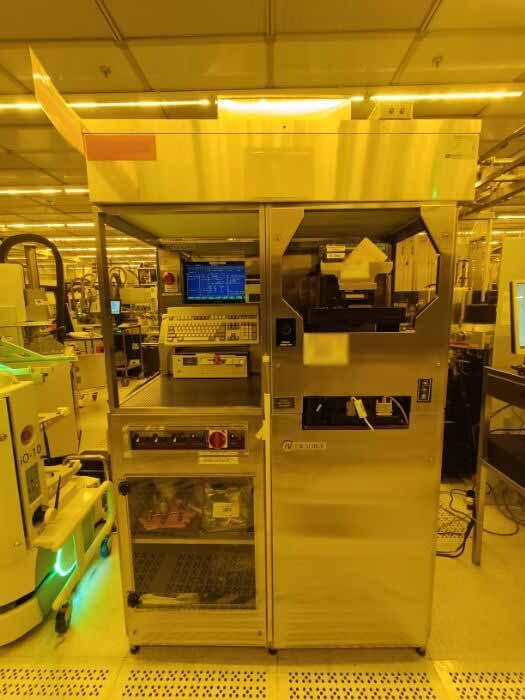

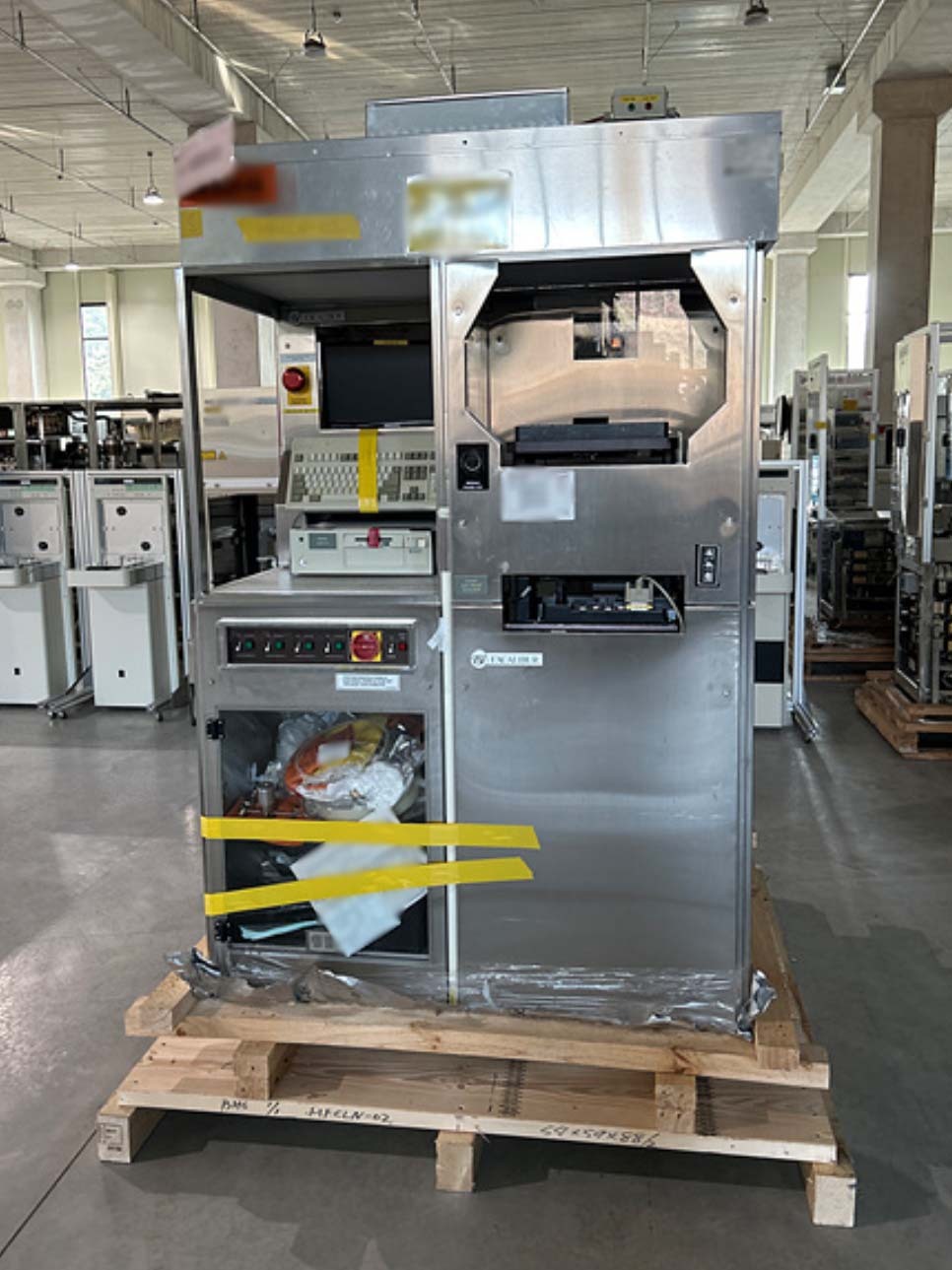
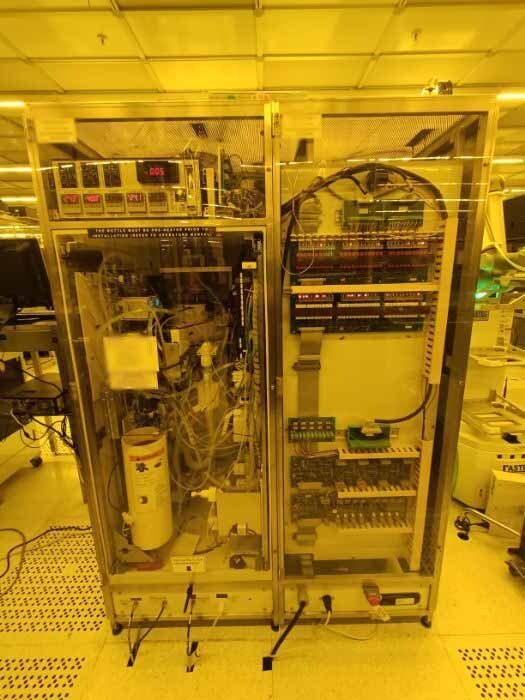
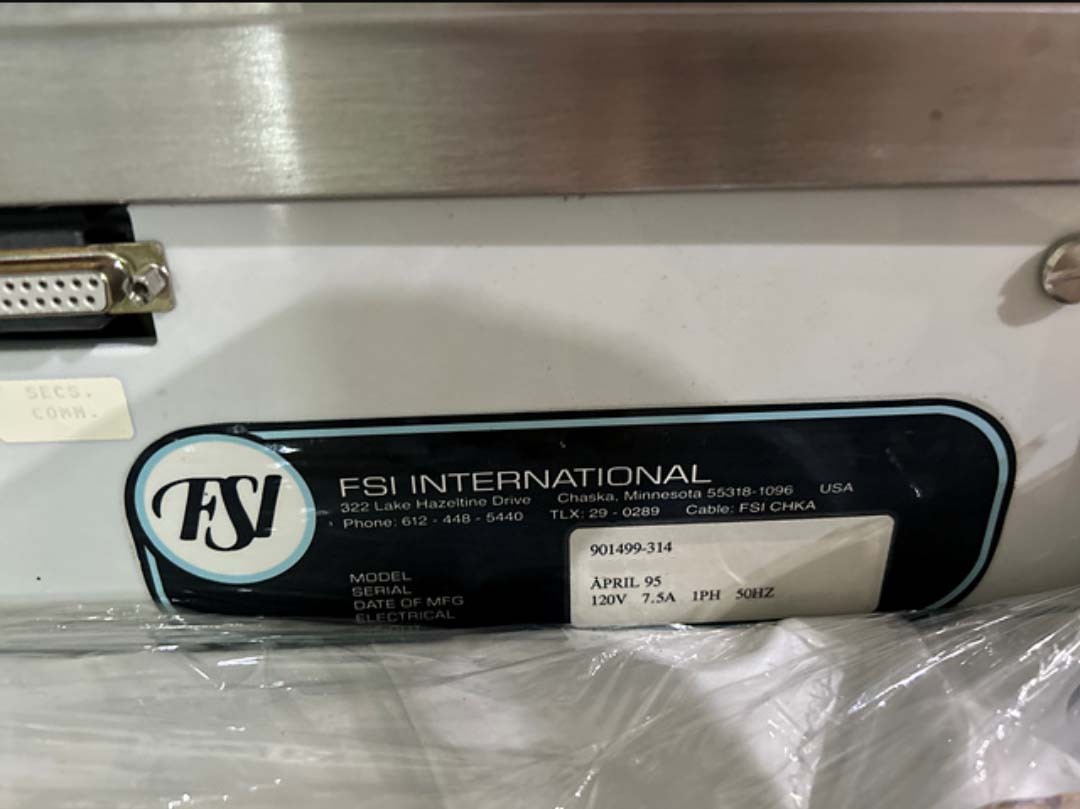
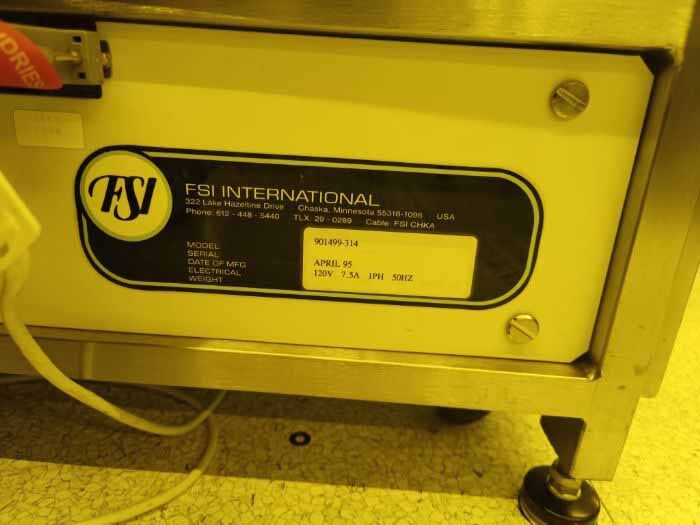
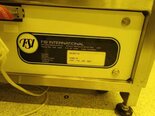
ID: 293759461
Wafer Size: 8"
Vintage: 1995
Batch wafer processing system
1995 vintage.
FSI EXCALIBUR is a photoresist equipment that is designed for use in producing high-performance integrated circuits. This system boasts excellent micro resolution, control, and consistency. It includes sophisticated software that is capable of controlling thin film coating, photography, resolution, and exposure power. This unit is ideal for the production of exclusive performance integrated circuits because it enables the production of higher-resolution, smaller, and more efficient circuits. EXCALIBUR utilizes a photolithography process known as the spray coating method. This process is used to transfer a thin film layer onto a substrate, which is comprised of a thin film layer, antireflective coating, and positive photoresist. This thin film layer consists of a mixture of silica, titanium dioxide, and organics, which create a stable coating onto the substrate that is optically transparent. The antireflective coating optimizes the thin film, great for higher-resolution imaging, and protection from contamination or environmental effects. The final layer is the photoresist, which acts as a "mask" for the thin film layer. This photoresist protects the thin film from UV light that is used in the lithography process. The imaging process begins by using a 635nm or 355nm laser in the projector. This laser projects the geometries that require exposure onto the thin film layer. Those geometries then become exposed to the light and begin to react with the photoresist. Upon further development, the unexposed areas of the photoresist become transparent, while the exposed resist remain opaque. This is known as the positive resist development. The next step is the etching process, where the desired pattern is etched into the substrate. This includes dicing the substrate, applying an etch mask, and immersing it in a chemical bath. This etching process requires precision and accuracy because the photoresist has been reduced by the laser exposure. After etching, the thin film layer must be removed due to the exposure to etchants. This is done through a process called ashing, or burning off the thin film layer. The ashing process is done with a software-controlled oven. This oven will run at a set temperature, creating a plume of thin film gases. The ashing process is complete when the thin film layer is no longer visible on the substrate. Finally, a cleaning process takes place to remove the remaining photoresist from the substrate. This typically involves using an alkaline solution, or a combination of chemical and mechanical cleaning techniques. After the substrate is cleaned and dried, the integrated circuit is ready for its final inspection. FSI EXCALIBUR is an ideal machine for the production of exclusive performance integrated circuits. Its precise and consistent photolithography process ensures high resolution of the geometries in the chips. Combined with its antireflective coating, photoresist, ashing, and cleaning processes, EXCALIBUR is an excellent solution for the production of high performance integrated circuits.
There are no reviews yet