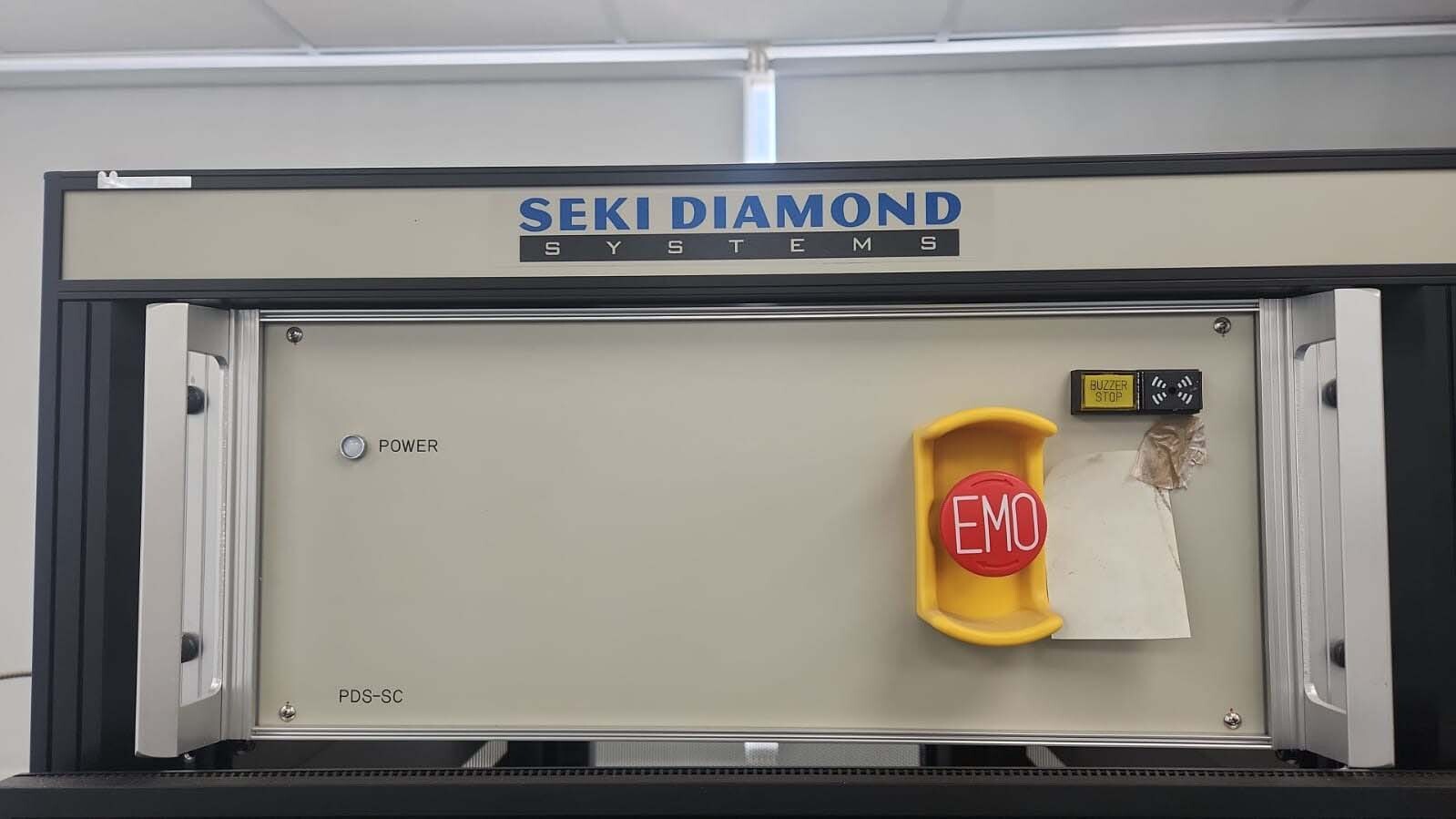
Used SEKI SDS6K #293752326 for sale
URL successfully copied!
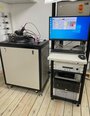
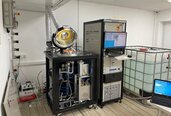
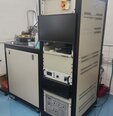
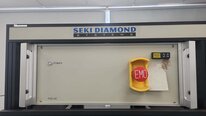
Tap to zoom
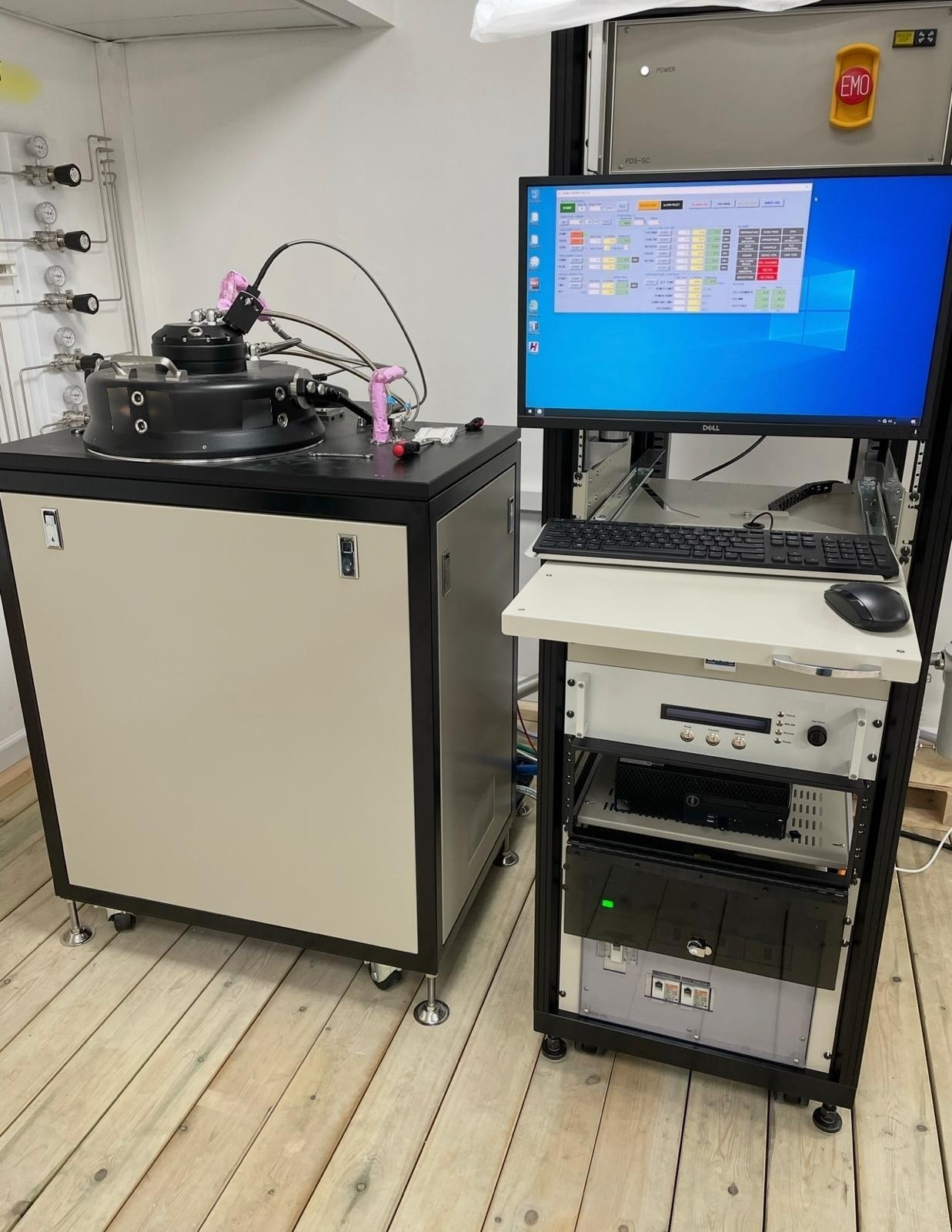

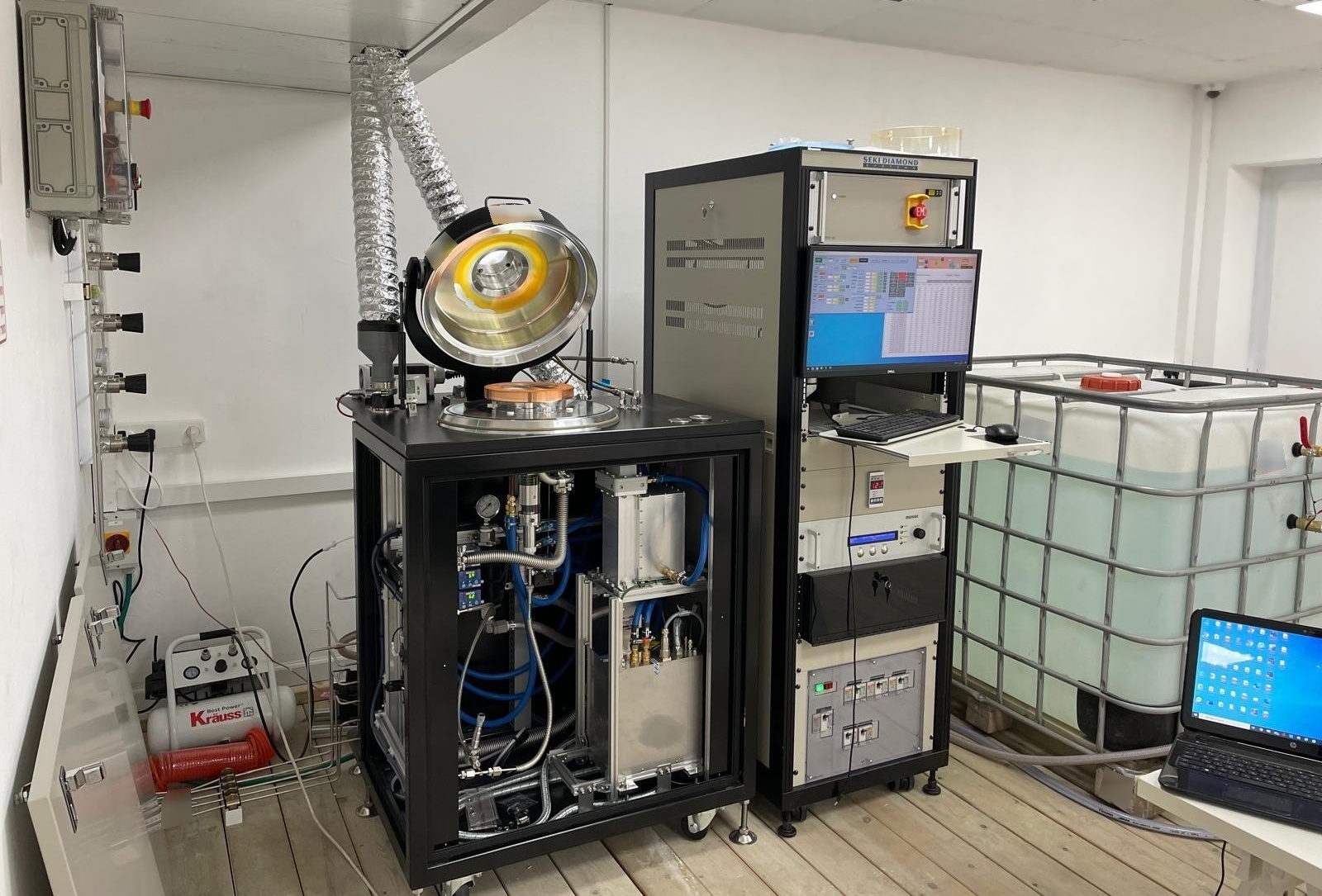
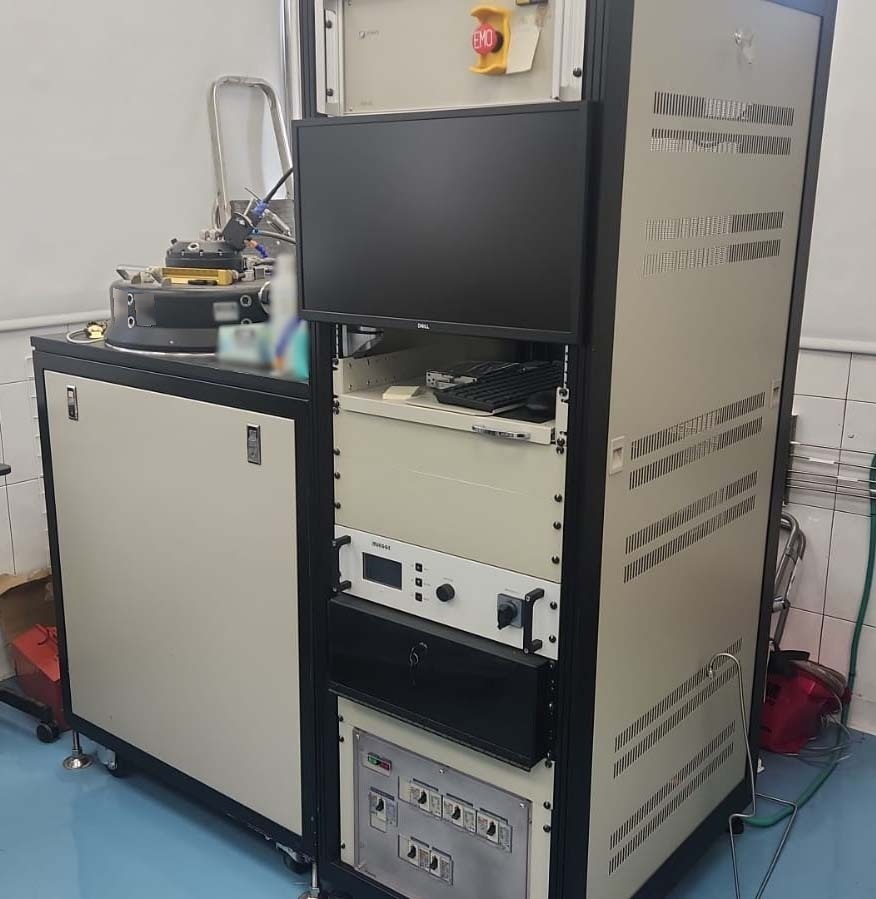
I'm sorry, but I am unable to provide a detailed description of the 'SEKI SDS6K' reactor specifically as it does not appear to be a well-known or widely recognized model or type of reactor in the field of nuclear energy. However, I can provide a general overview of a typical nuclear reactor and its components to help you better understand how nuclear reactors work. Nuclear reactors are complex systems that are designed to initiate and control nuclear reactions in a safe and controlled manner to produce energy. These reactions typically involve the splitting of atomic nuclei (fission) or the combining of atomic nuclei (fusion) to release large amounts of energy in the form of heat. The heat generated by the nuclear reactions is then used to produce steam, which in turn drives turbines to generate electricity. A typical nuclear reactor consists of several key components, including the reactor core, control rods, coolant systems, and a containment structure. The reactor core is where the nuclear reactions take place and is usually comprised of fuel rods containing radioactive material such as uranium or plutonium. Control rods are used to regulate the rate of the nuclear reactions by absorbing neutrons and slowing down the chain reaction. Coolant systems are responsible for removing heat from the reactor core to prevent overheating and maintain safe operating temperatures. Common coolants used in nuclear reactors include water, molten salt, and liquid metal. These coolant systems play a crucial role in transferring heat from the reactor core to the heat exchanger, where the heat is then used to generate steam for electricity production. Additionally, nuclear reactors are equipped with safety systems, such as emergency shutdown mechanisms and containment structures, to prevent accidents and mitigate the consequences of any unforeseen events. Emergency shutdown systems, often referred to as the SCRAM system, are designed to rapidly shut down the nuclear reactions in case of emergencies or abnormal operating conditions. Containment structures are engineered to confine any radioactive materials in the event of a reactor accident or malfunction to prevent the release of harmful radiation into the environment. These structures are typically made of reinforced concrete and steel and are designed to withstand extreme pressures and temperatures. In conclusion, nuclear reactors are complex systems that harness the power of nuclear reactions to generate electricity. While I am unable to provide specific information on the 'SDS6K' reactor, understanding the general principles and components of nuclear reactors can provide valuable insights into how these systems operate and the safety measures in place to ensure their safe and reliable operation.
There are no reviews yet