Used LEO / ZEISS EM 922 Omega #293771241 for sale
URL successfully copied!







Tap to zoom

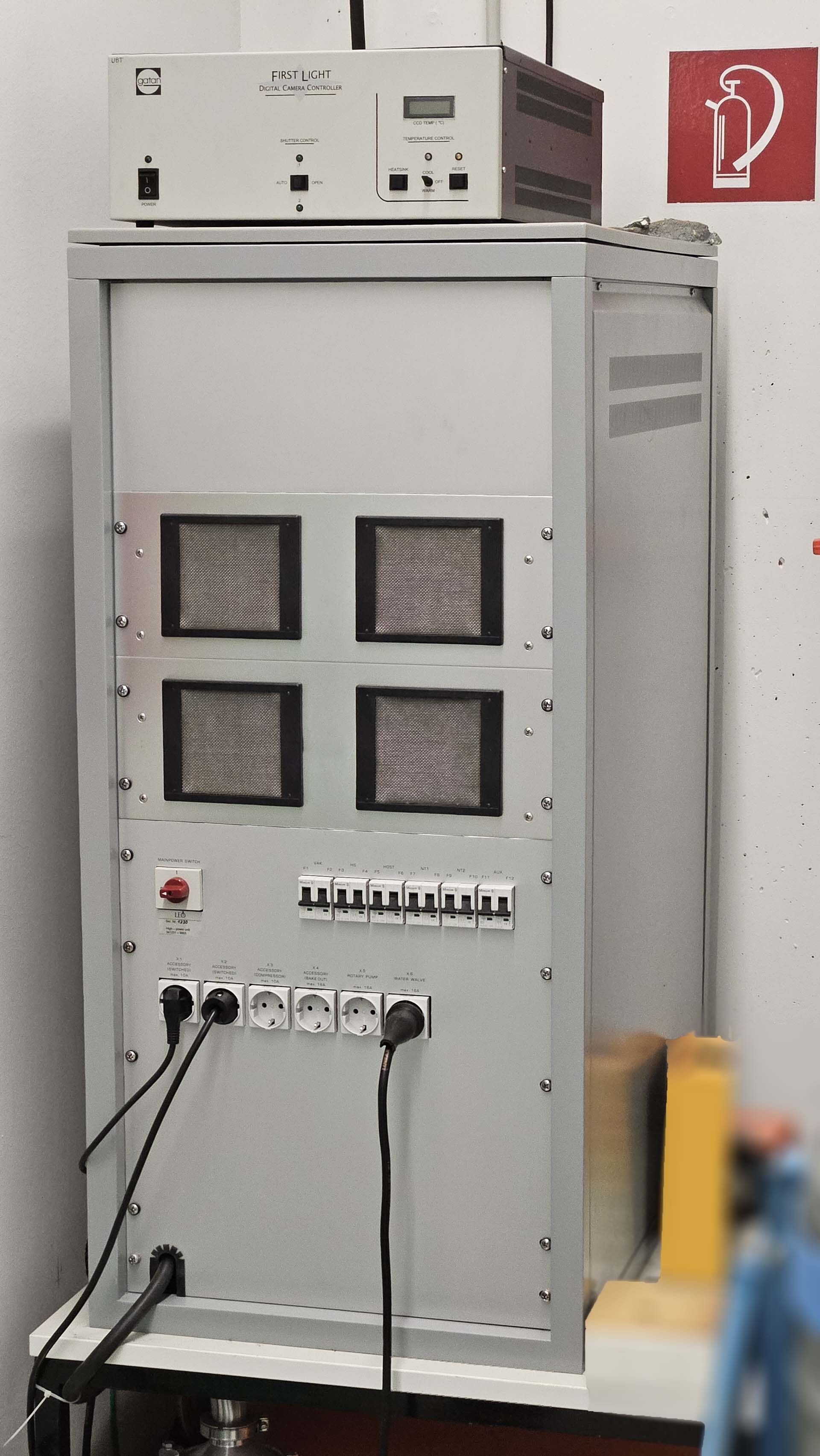
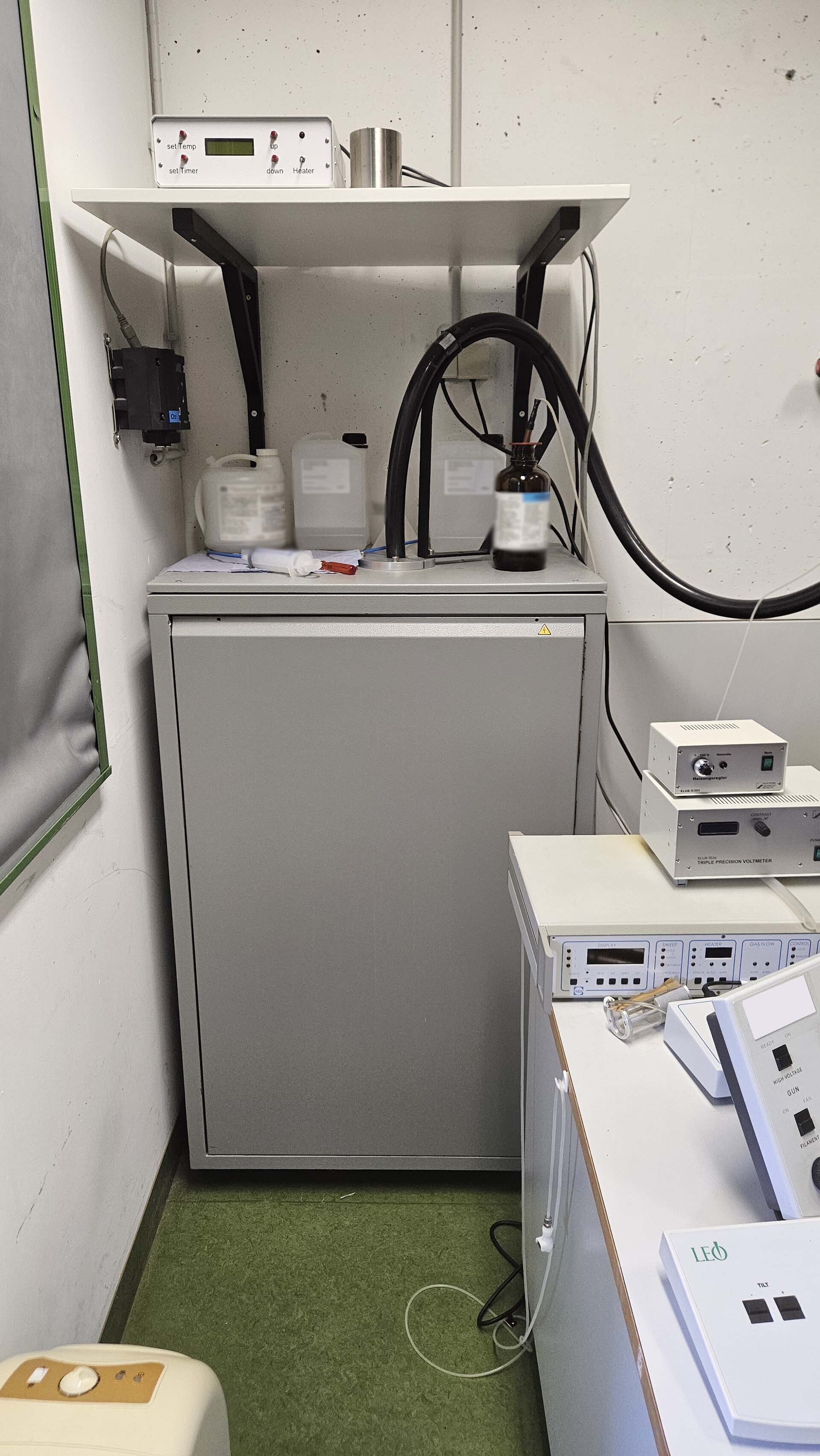
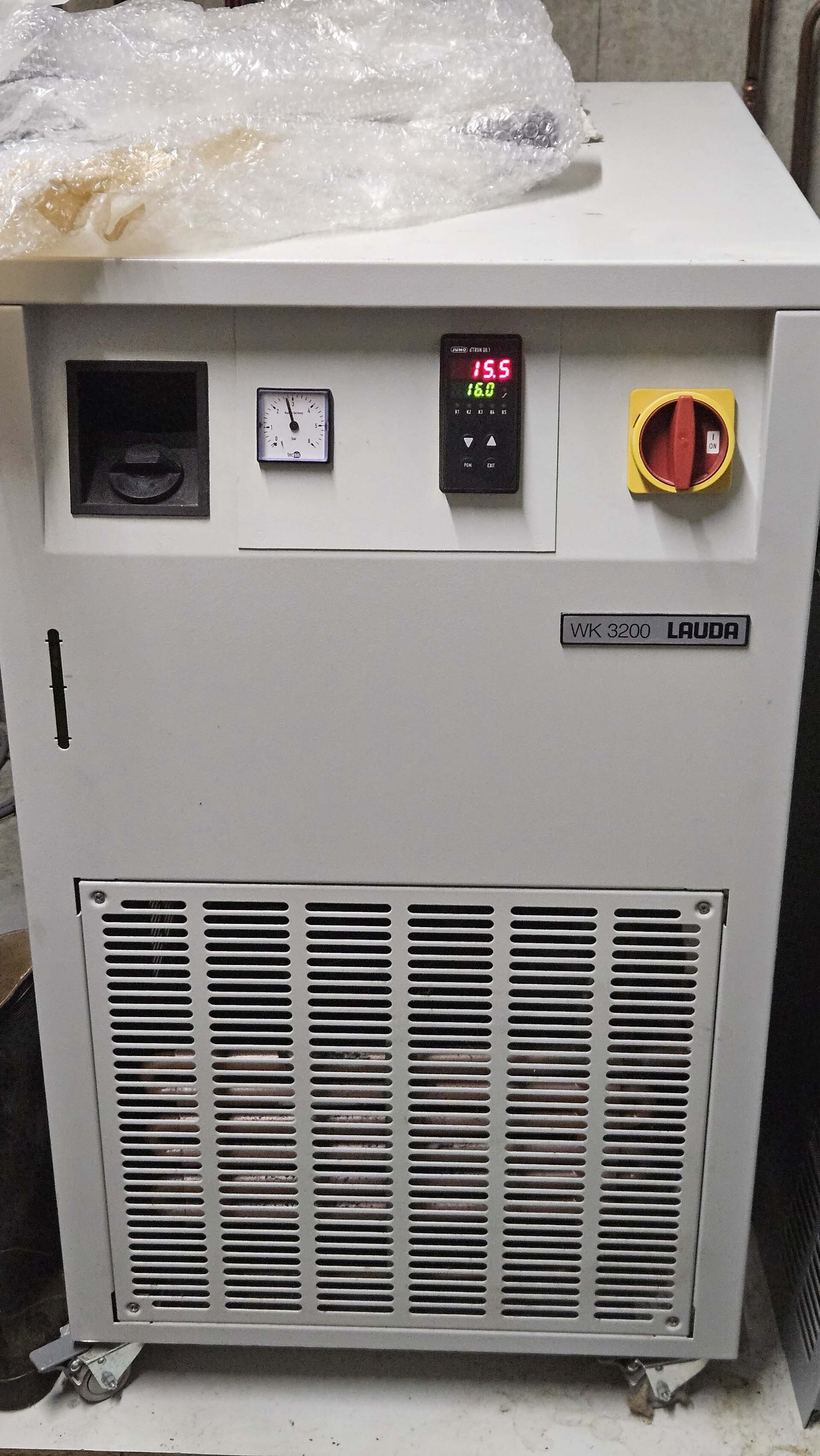
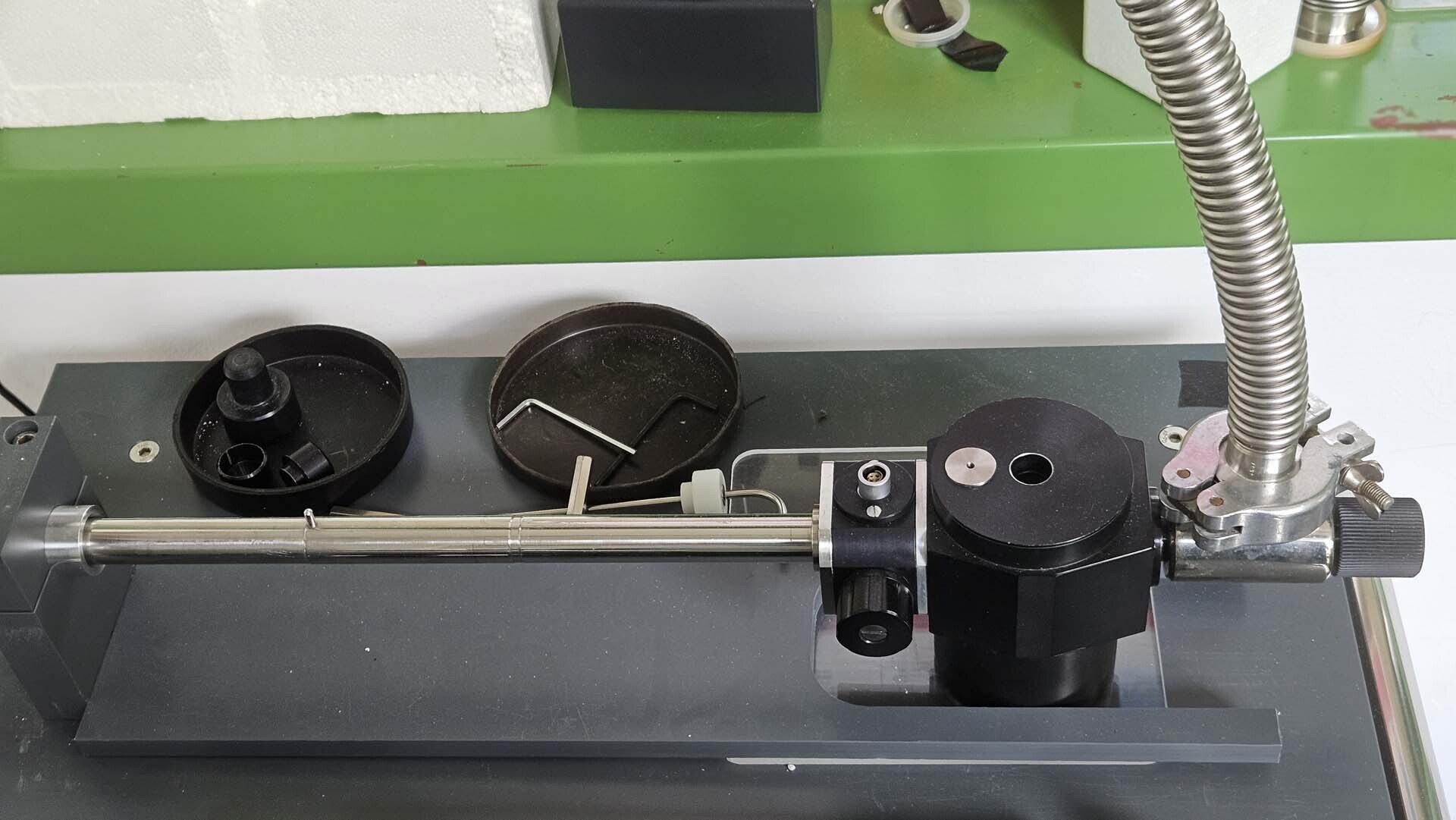
ID: 293771241
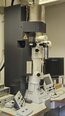
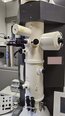
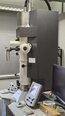
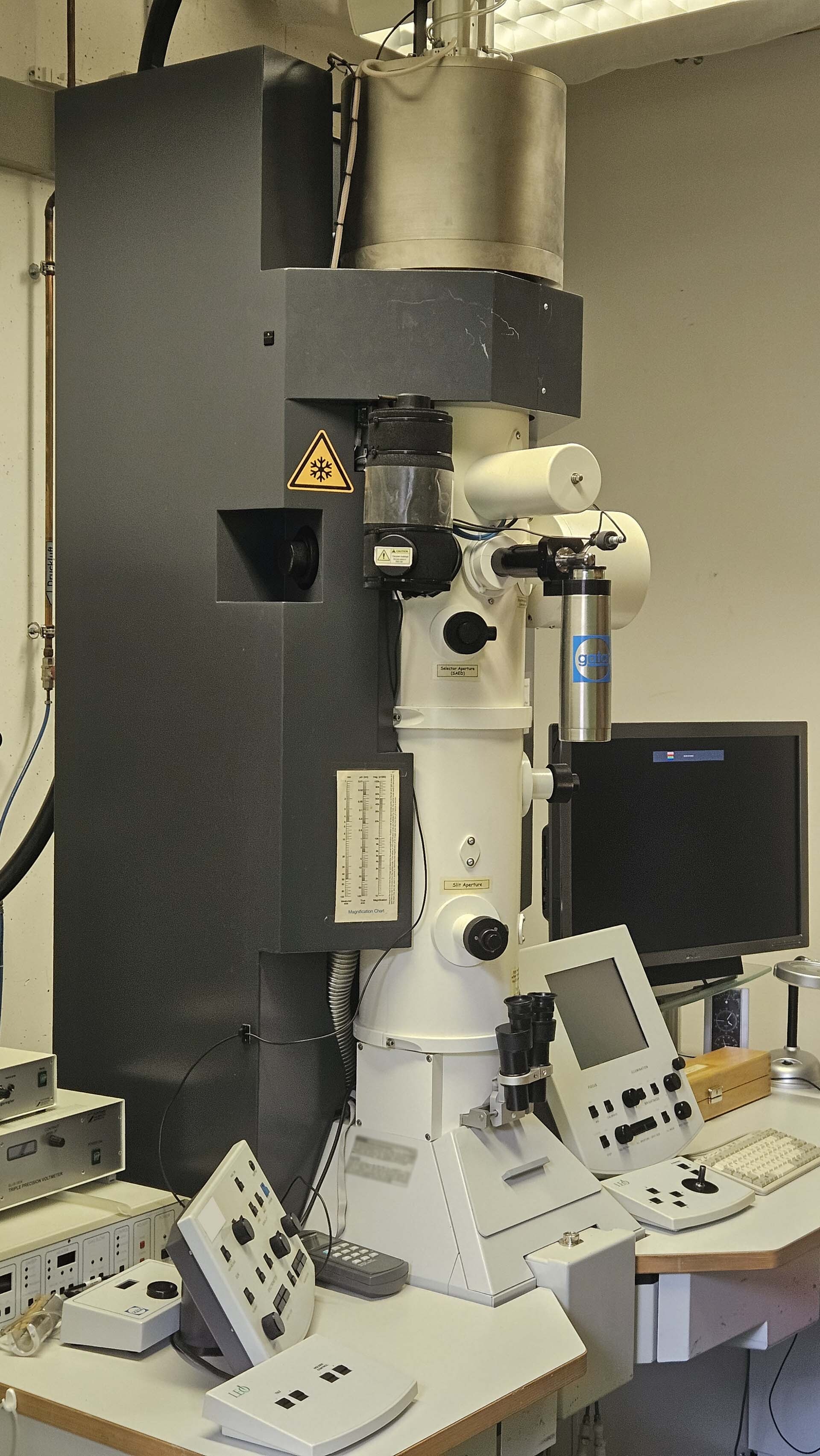
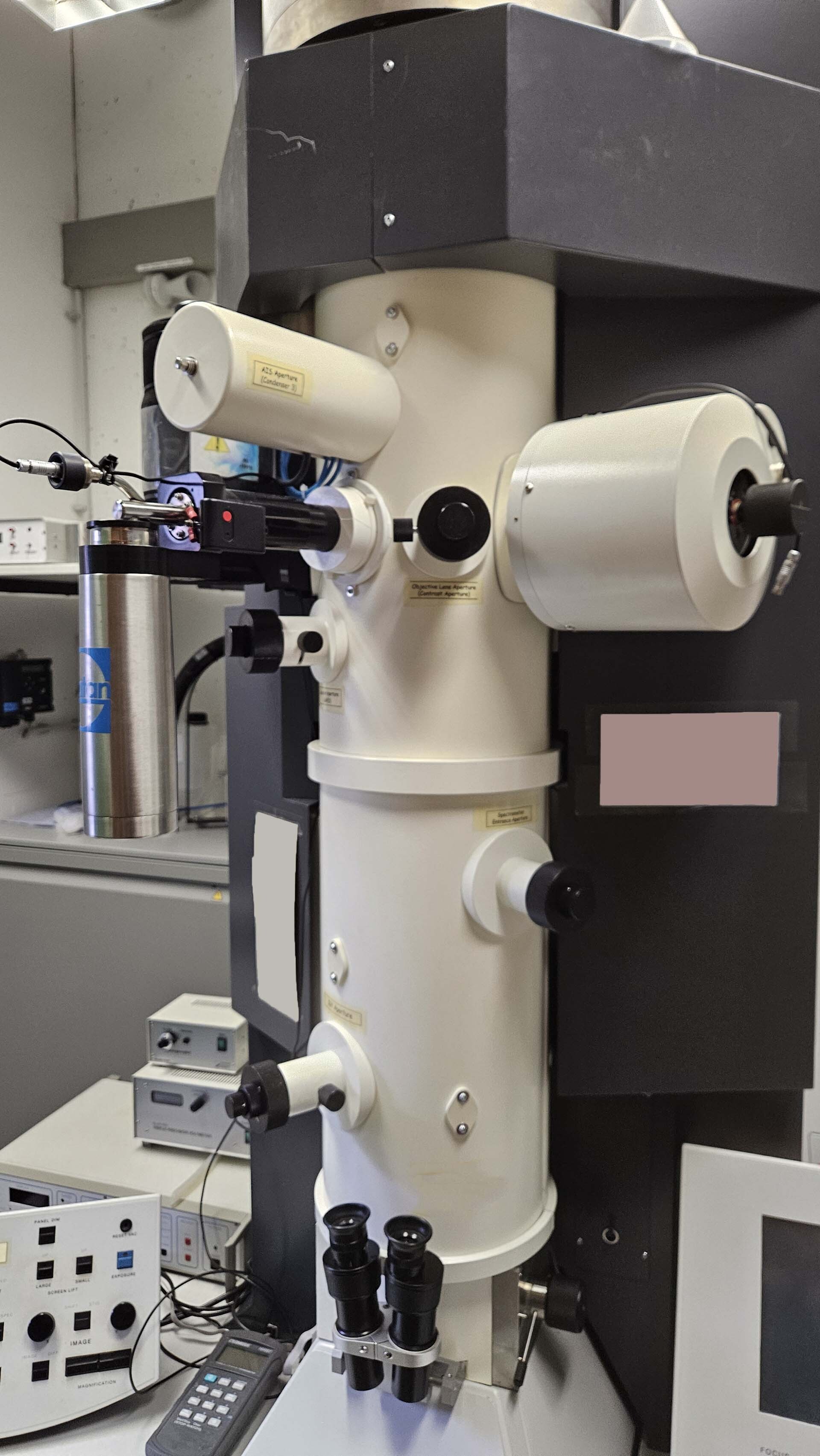
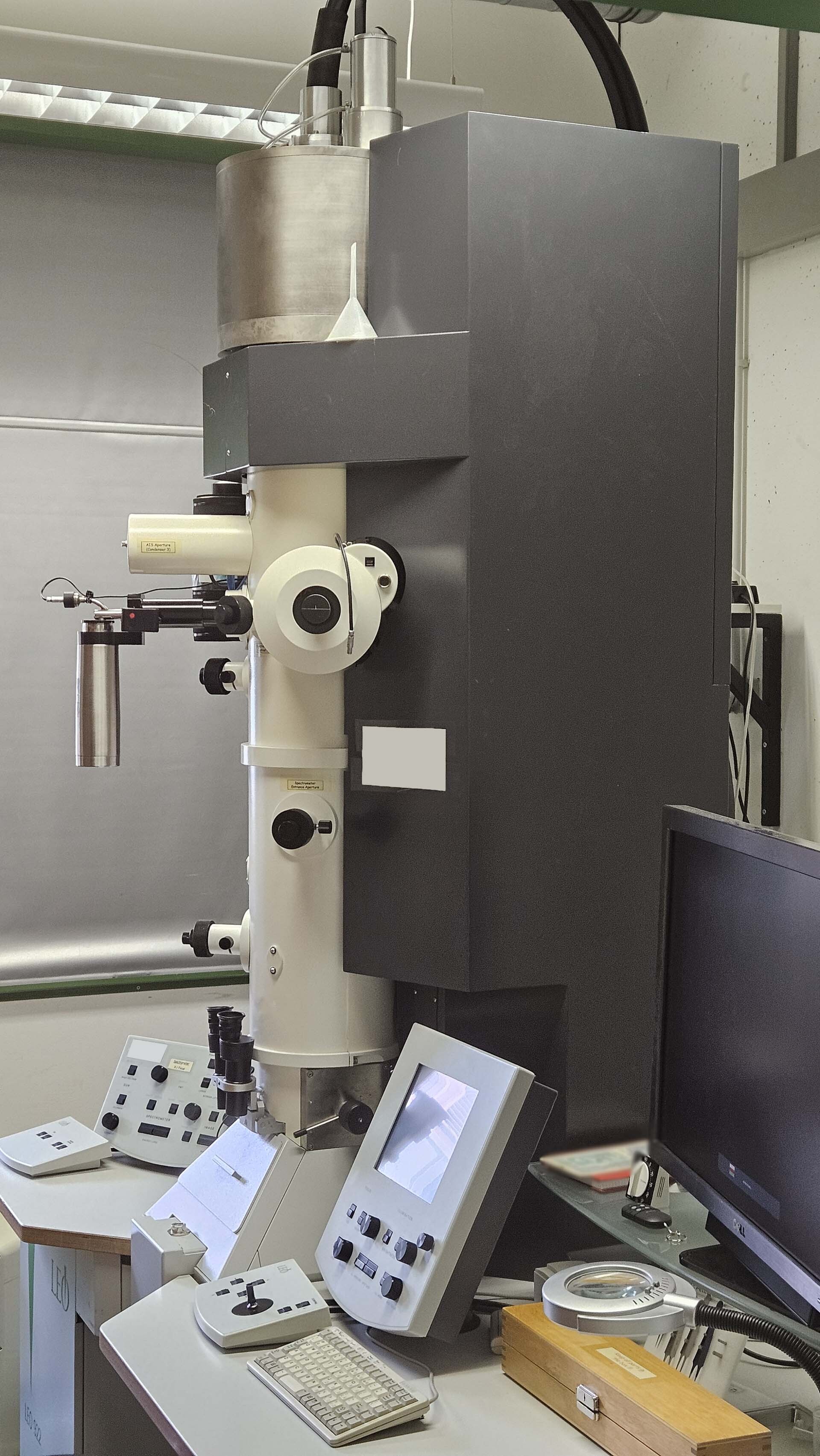
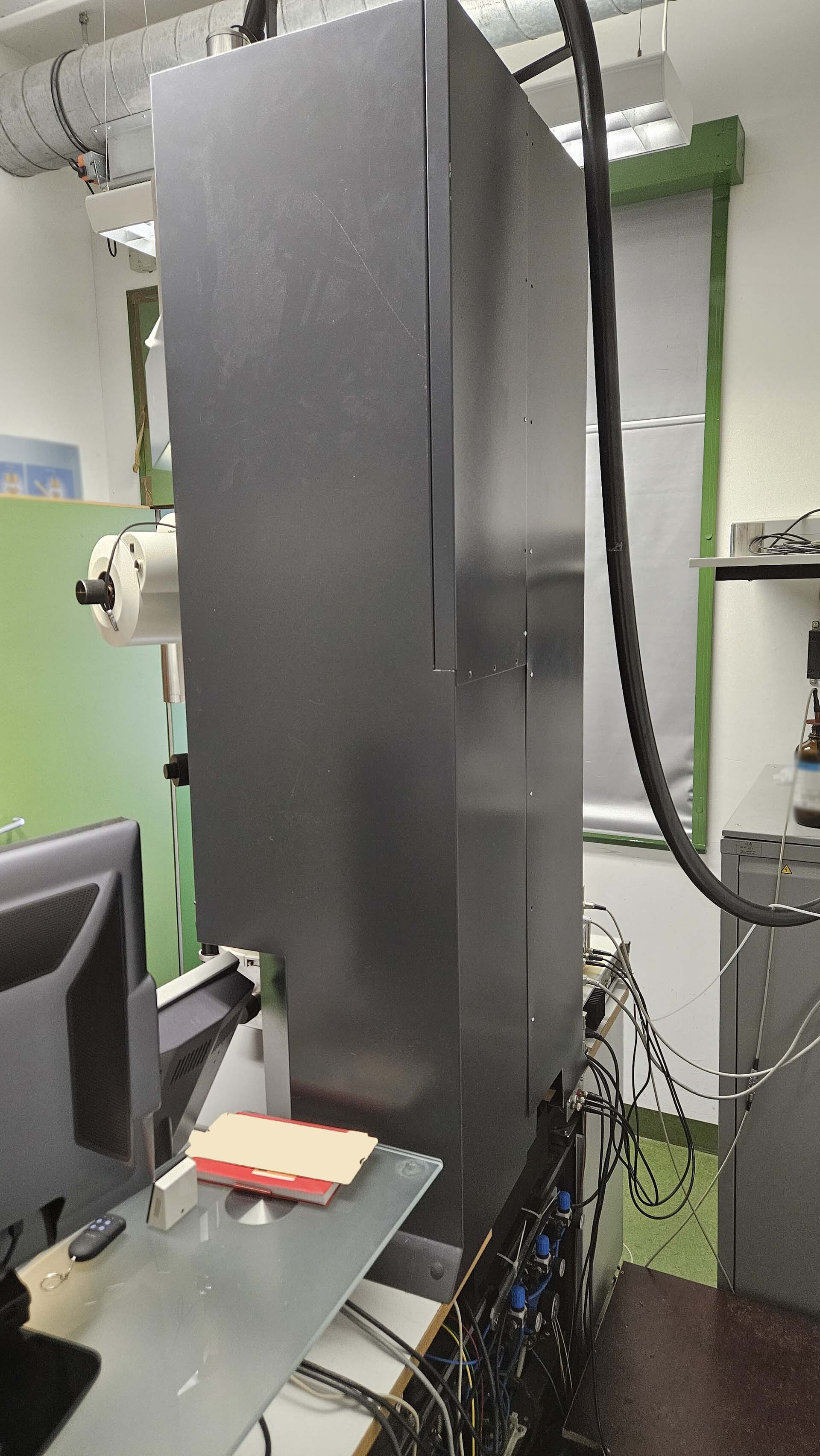
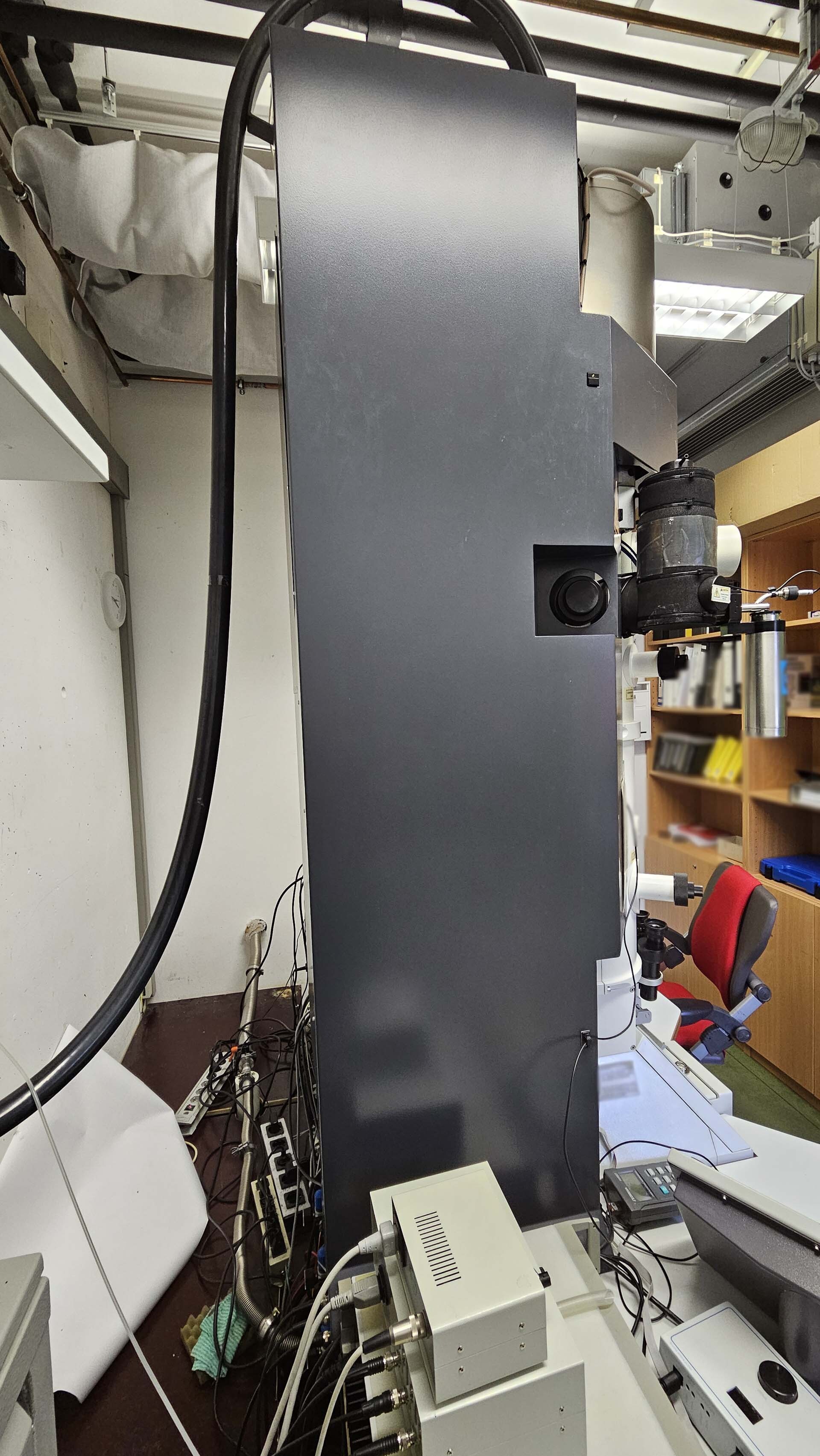
Transmission Electron Microscope (TEM)
Thermal LaB6 Cathode
In-column energy filter
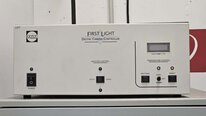
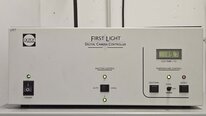
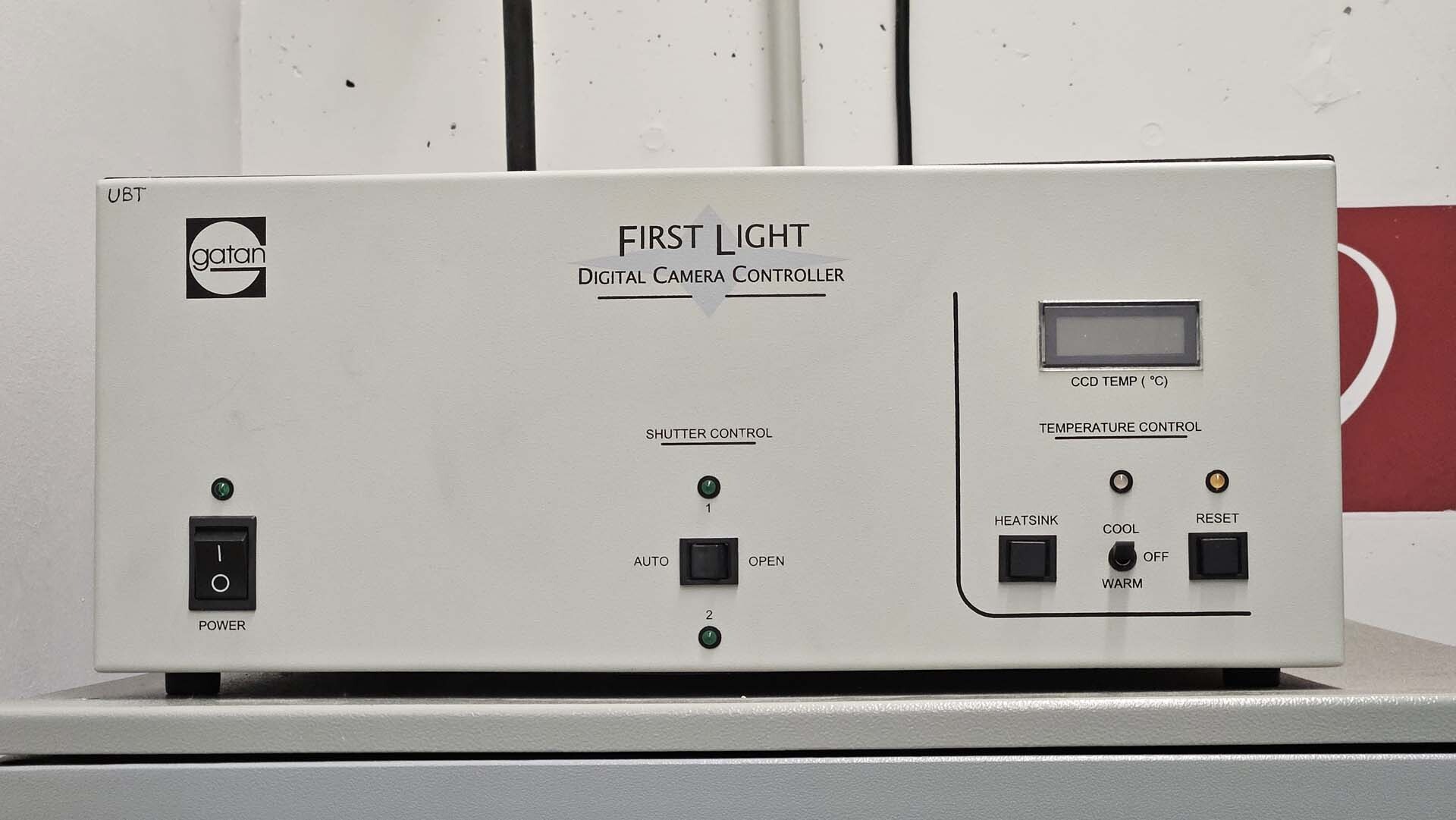
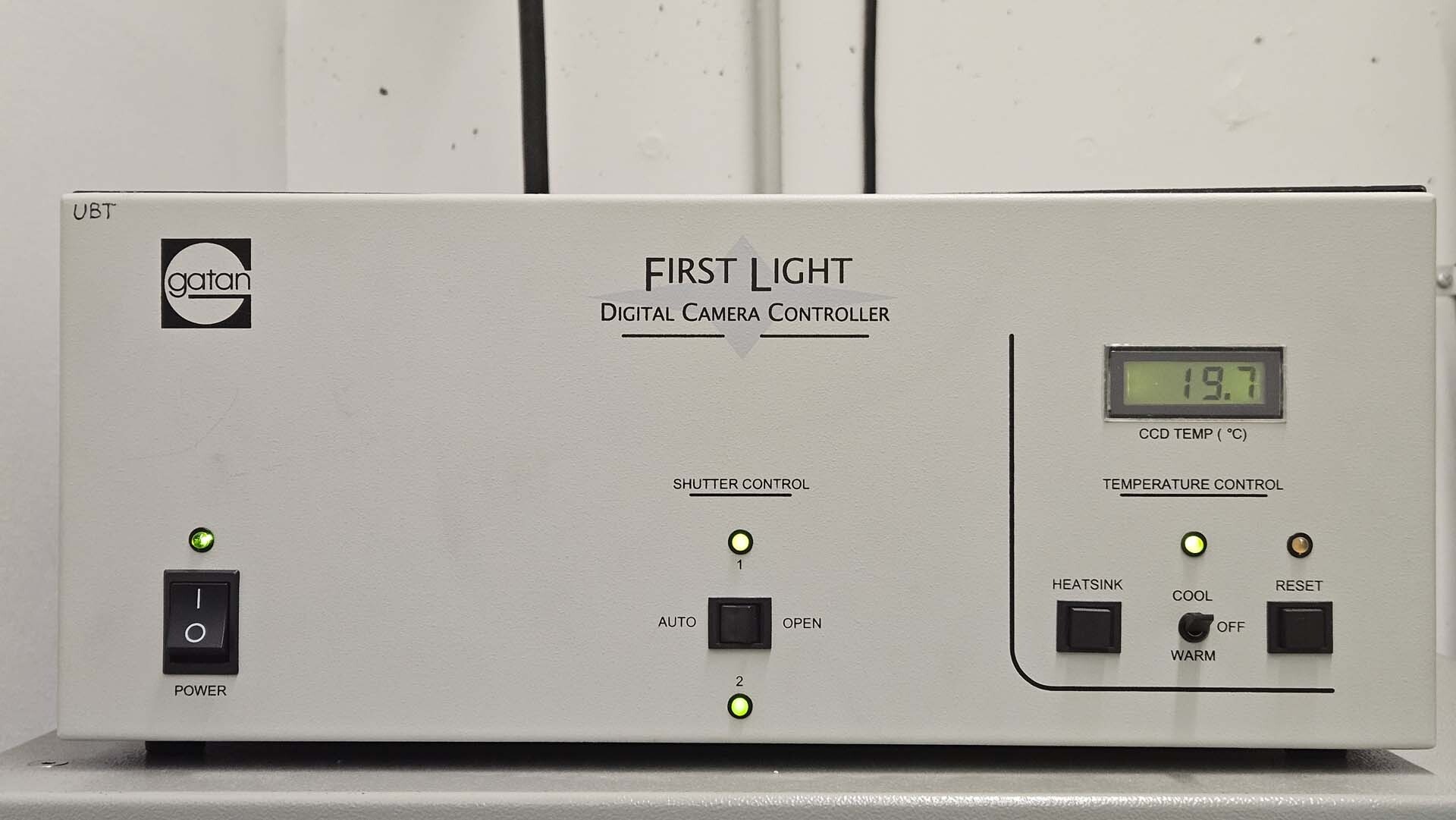
GATAN Ultrascan 1000 CCD Camera
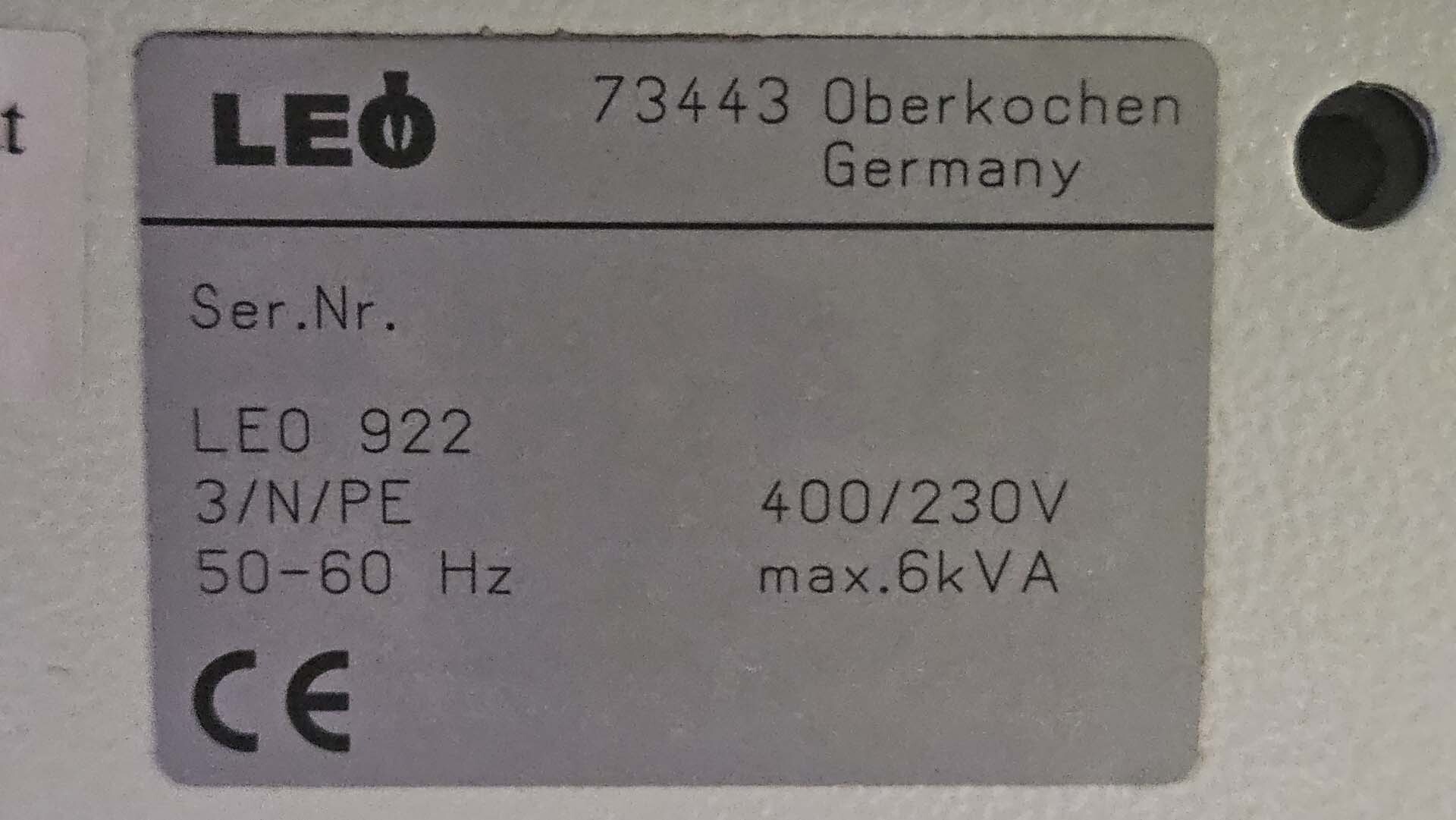
Power supply: Up to 160 kV.
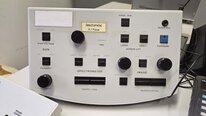
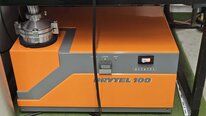
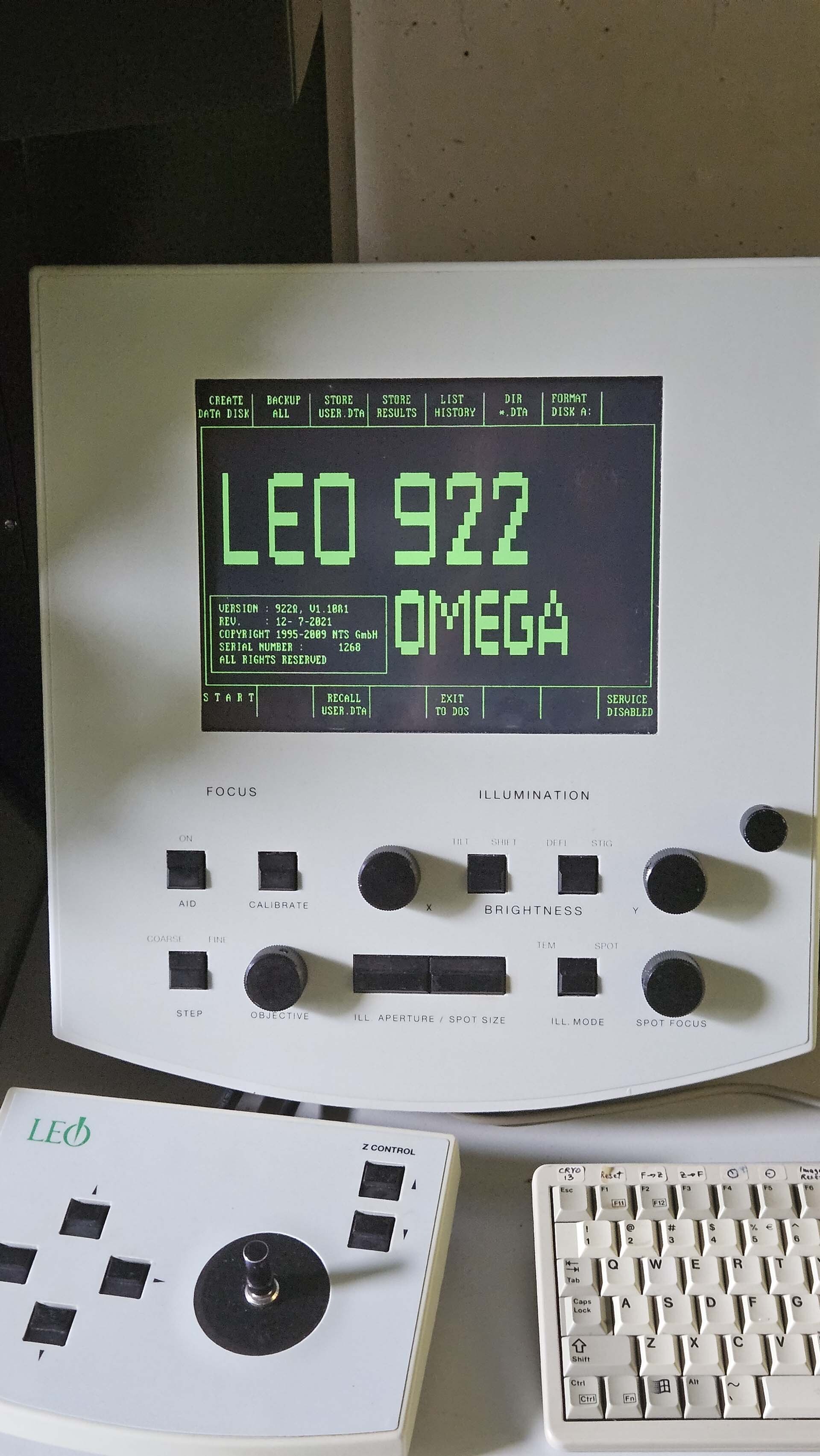
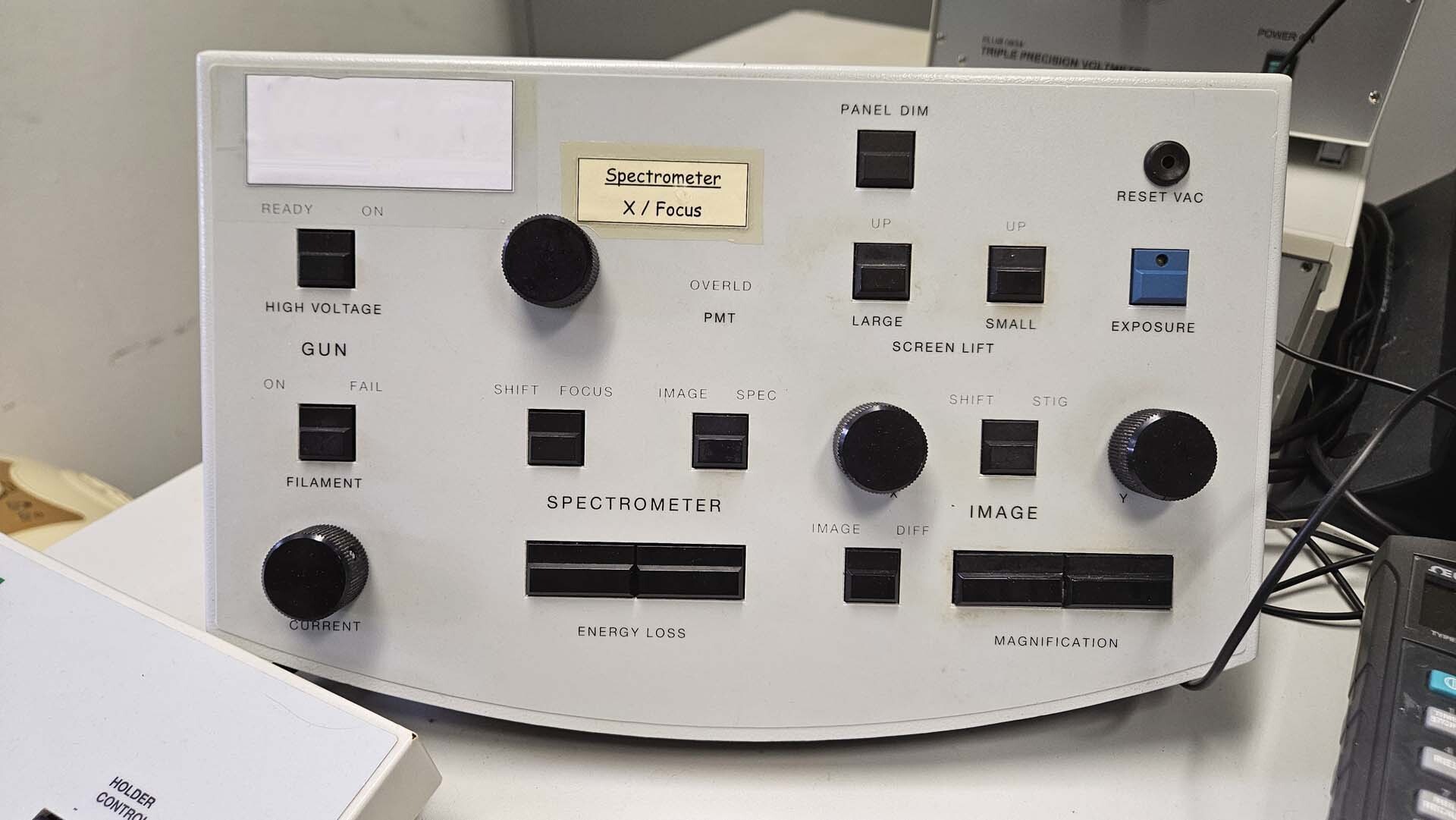
LEO / ZEISS EM 922 Omega is a cutting-edge scanning electron microscope (SEM) that represents the pinnacle of technological advancement in the field of microscopy. This high-performance instrument is designed and manufactured by Carl LEO AG, a renowned German company known for its precision optics and microscopy equipment. LEO EM 922 Omega is specifically engineered for advanced imaging and analysis of nanoscale structures with exceptional resolution and versatility. At the heart of ZEISS EM 922 Omega is its electron optics equipment, which plays a crucial role in generating high-quality, high-resolution images. The electron beam source in this SEM produces a focused beam of electrons that is scanned across the surface of the specimen being analyzed. The advanced electron optics design of EM 922 Omega ensures precise control over the electron beam, enabling users to achieve detailed imaging of samples at magnifications ranging from a few hundred to several hundred thousand times. One of the key features of LEO / ZEISS EM 922 Omega is its large chamber size, which allows for the analysis of samples of varying sizes and shapes. The spacious chamber accommodates a wide range of sample holders and accessories, making it suitable for diverse applications in materials science, life sciences, and semiconductor research. The flexible design of the chamber also facilitates easy access for sample manipulation and exchange, enhancing user convenience and efficiency during experimentation. In addition to its superior imaging capabilities, LEO EM 922 Omega offers a range of advanced analytical functionalities for characterizing sample properties. The instrument is equipped with energy-dispersive X-ray spectroscopy (EDS) and wavelength-dispersive X-ray spectroscopy (WDS) detectors, which allow for elemental analysis and mapping of samples with exceptional sensitivity and spatial resolution. These analytical tools enable researchers to identify and quantify the chemical composition of materials at the micro and nanoscale, providing valuable insights into their structural and compositional properties. Another standout feature of ZEISS EM 922 Omega is its sophisticated electron beam control system, which enables precise manipulation of imaging parameters such as beam current, accelerating voltage, and scan speed. This level of control ensures optimal imaging conditions for different types of samples, allowing users to obtain high-quality images with minimal artifacts and distortions. The instrument also features advanced imaging modes such as secondary electron imaging, backscattered electron imaging, and variable pressure imaging, providing users with a comprehensive toolkit for sample analysis. In terms of user interface and software capabilities, EM 922 Omega offers an intuitive and user-friendly operating unit that streamlines data acquisition and analysis processes. The instrument is equipped with dedicated software packages for image processing, image analysis, and 3D reconstruction, allowing users to extract meaningful quantitative information from their imaging data. The seamless integration of hardware and software components in LEO / ZEISS EM 922 Omega ensures a smooth and efficient workflow for researchers and scientists working in diverse fields of study. Overall, LEO EM 922 Omega represents a state-of-the-art solution for high-resolution imaging and analysis of nanoscale structures. With its advanced electron optics machine, versatile analytical capabilities, and user-friendly interface, this scanning electron microscope is ideally suited for a wide range of applications in research and industry. Whether investigating materials properties, studying biological samples, or conducting semiconductor analysis, ZEISS EM 922 Omega provides researchers with the tools they need to unlock new insights and push the boundaries of scientific discovery.
There are no reviews yet